

Expert Tips to Elevate Your Garden Landscaping Today

Creating a beautiful outdoor space takes more than picking a few plants and calling it a day. It’s a balance of creativity, planning, and proper maintenance—whether you’re revamping your backyard or building your very first garden. Many homeowners want a landscape that feels relaxing, functional, and visually stunning, yet they often underestimate how powerful good garden landscaping really is. With the right approach, even a simple yard can turn into a breathtaking outdoor retreat that reflects your personality and complements your home’s architecture.

Moreover, today’s landscape trends focus heavily on blending landscape design, hardscaping, softscaping, and practical lawn care techniques. When everything works together, your space feels balanced. Additionally, professional guidance—such as that from trusted experts at Liberty Heritage Nursery Farm—can make a huge difference. Before starting your project, let’s review expert-backed landscaping strategies to help you elevate your garden and make it shine.

Garden Landscaping

1. Plan with Purpose: Start with a Strong Garden Design Concept

Great landscaping begins with a solid garden design plan. Instead of buying plants impulsively, step back and visualize the whole picture.

Think about how you want your outdoor space to function. Do you need room for gatherings? Are you aiming for peaceful corners for relaxation? Mapping things out helps you avoid clutter and ensures smooth traffic flow across your yard.

Many professional landscaping services also use this approach. Their designs incorporate elements like zones, layers, and color themes to create harmony. If you want additional inspiration, check out modern ideas and layout concepts from Liberty Heritage’s landscaping insights.

2. Balance Hardscaping and Softscaping Elements for a Polished Look

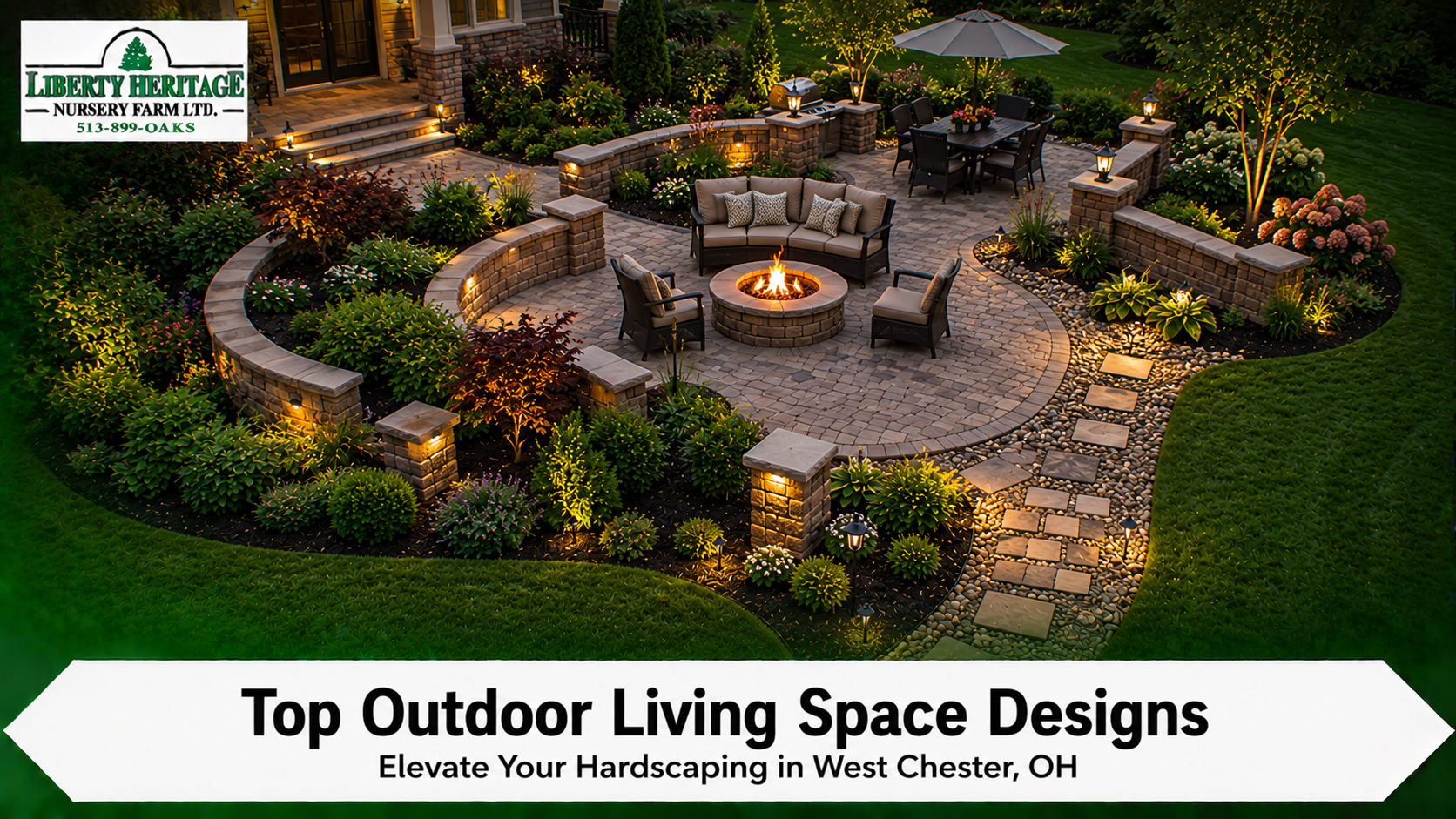
A stunning garden always finds the right balance between hardscaping and softscaping. Hardscaping elements include patios, pathways, retaining walls, and structural materials, while softscaping includes plants, shrubs, flowers, and lawn care.

Hardscaping gives your garden shape and structure. It defines movement, accessibility, and functional zones. Meanwhile, softscaping adds color, texture, and natural warmth. When these elements complement each other, your outdoor space feels inviting and visually consistent.

You can choose modern pavers, natural stone walkways, or even rustic gravel paths. Paired with lush greenery, these features create a timeless look. For more inspiration, explore eco-friendly combinations in Liberty Heritage’s article on green landscaping techniques.

3. Choose the Right Plants for Seasonal Beauty and Low Maintenance

Smart planting decisions make your life easier throughout the year. When choosing plants, think beyond appearance. Consider factors like sun exposure, soil type, drainage needs, and seasonal performance.

Native plants are becoming a popular part of backyard landscaping because they adapt better to local climates and require less water. They also attract beneficial pollinators, making your garden healthier overall.

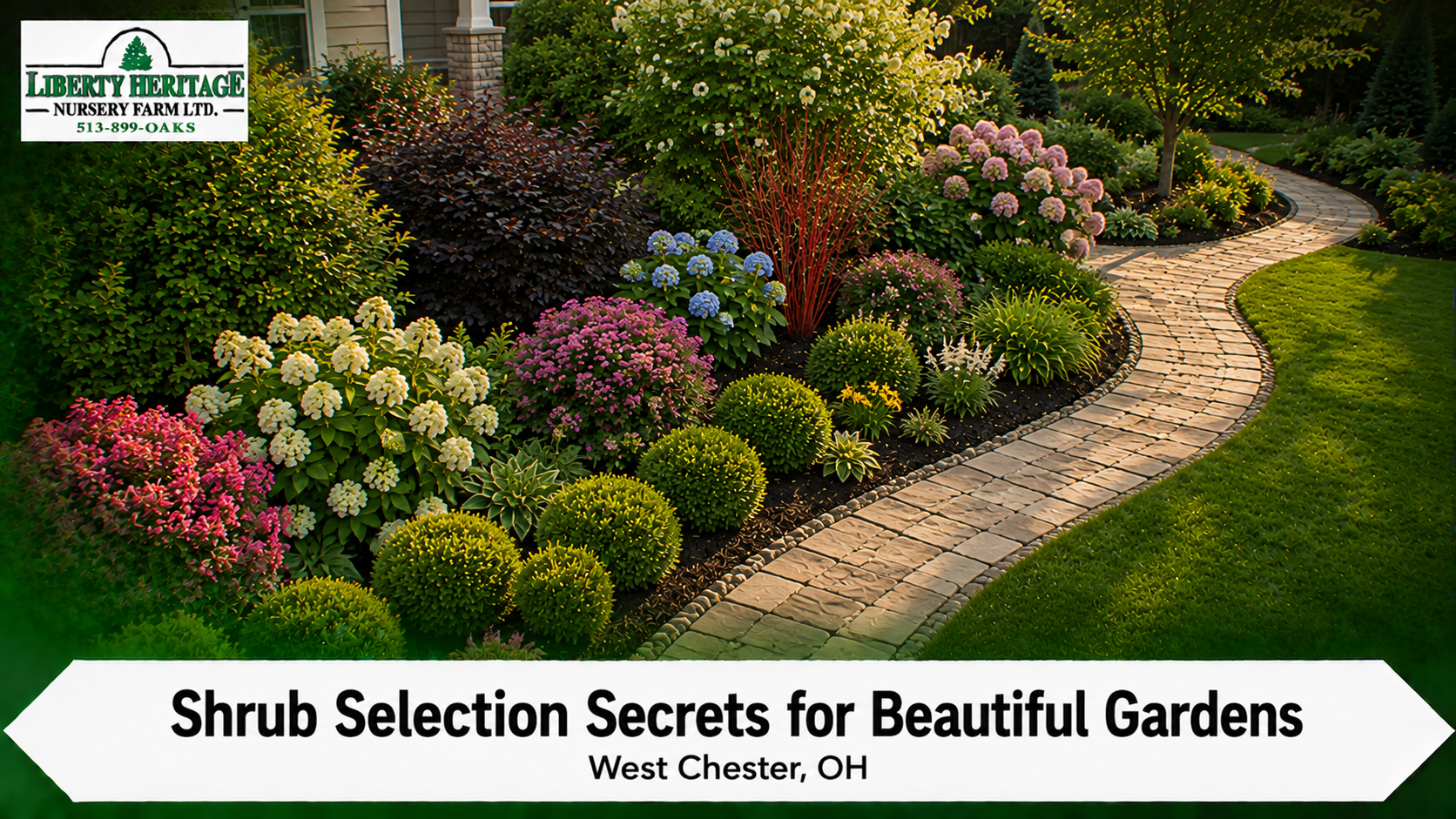
Layered planting is especially effective. Use taller shrubs or ornamental trees at the back, medium-height plants in the middle, and colorful ground-level flowers up front. This approach adds depth and creates a picture-perfect layout throughout every season.

4. Elevate Your Outdoor Space with Creative Garden Landscaping Ideas

If you’re aiming to give your yard personality, explore trending garden landscaping ideas that go beyond the usual. Incorporate textures, shapes, and focal points to bring excitement to your garden.

For example, adding a water feature—such as a calming fountain or a natural pond—creates a soothing ambiance. Integrating raised flower beds, rock gardens, or modern edging gives your space a refined look.

You can also build thematic corners, such as a Zen garden, a butterfly garden, or a cozy seating nook. Each creates an emotional experience and encourages you to spend more time outdoors.

5. Bring Structure and Functionality with Pathways, Lighting, and Décor

Details matter when designing outdoor spaces. Pathways, landscape lighting, stepping stones, and décor pieces all contribute to how your yard feels and functions.

Strategic lighting helps highlight trees, architectural elements, and garden borders. It also boosts safety at night, especially in areas with uneven surfaces.

Decorative features such as trellises, pergolas, and garden sculptures can act as elegant focal points. When placed strategically, they guide visitors’ eyes and enhance the flow of your landscape design.

If you’re unsure where to start, consider professional inspiration from various landscapers, or explore regional landscaping styles on Liberty Heritage Nursery Farm’s website.

6. Keep Your Garden Healthy with Consistent Lawn Care and Maintenance

Maintenance plays a significant role in the longevity of your landscape. Even a beautifully designed garden can lose its charm without proper upkeep.

Routine lawn care—including watering, mowing, fertilizing, and aeration—keeps your grass healthy and green. Trim shrubs regularly to maintain their form, and remove dead or diseased branches from trees.

Mulching is another game-changer. It helps regulate moisture, reduces weed growth, and improves soil quality. Adding a fresh layer of mulch instantly boosts your garden’s visual appeal.

If you’re busy and need support, hiring a trusted landscaping company can simplify your maintenance routine.

7. Use Color and Texture Strategically to Enhance Visual Interest

Color is one of the strongest tools in landscape design. Incorporating a mix of warm and cool tones can make your garden feel vibrant and balanced.

Pair bold flowers with subtle greenery. Mix smooth leaves with spiky plants for textural contrast. Combine stone, wood, and metal surfaces to elevate your hardscape foundation.

And don’t forget seasonal color shifts. Choose plant species that bloom at different times to ensure your garden looks stunning from spring through fall.

8. Elevate Your Landscape with Professional Landscaping Services

Even though DIY landscaping is tempting, professional landscaping services can take your project from good to breathtaking. Experts understand soil science, plant health, drainage, and long-term maintenance needs.

They know how to design durable backyard landscaping solutions that thrive in varying climates. Whether you need a complete yard transformation or simple guidance, reaching out to experienced pros can save time, energy, and money.

Professionals also help you avoid common issues—such as overplanting, poor grading, or incompatible plant selections—that many homeowners encounter when attempting DIY projects.

Final Thoughts

Enhancing your outdoor space is a rewarding investment. With thoughtful planning, balance, and creativity, you can turn an ordinary yard into a beautifully curated environment. Whether you’re experimenting with new garden landscaping ideas or upgrading your landscape design, consistency and attention to detail will always pay off.

And if you want expert guidance, reliable inspiration, or high-quality landscaping services, check out Liberty Heritage Nursery Farm for helpful resources and professional support.

FAQs

1. What is the most crucial step in garden landscaping?

The planning phase is the most essential. Understanding your space, climate, and goals before planting helps you avoid costly mistakes.

2. How often should I update my backyard landscape?

A full update isn’t needed every year, but refreshing plants, mulch, and décor annually keeps your yard looking vibrant.

3. Do I need a landscaping company for small projects?

Not always. Simple enhancements are perfect for DIY, but bigger structural projects benefit from expert help.

4. How do I make my garden more low-maintenance?

Choose native plants, install irrigation, use mulch, and incorporate hardscaping to reduce time-consuming chores.

5. What’s the best way to blend hardscaping and softscaping?

Combine structural elements like pathways or patios with layered plants and greenery to achieve visual harmony.

Scroll to Top