
How to Design Driveways and Paths That Impress Guests: Make Your Home Shine

Every visitor’s first impression of your home comes from the outside: the driveway, the path, the entrance landscaping—everything counts. If your driveway and path design feels uninspired, even a well-kept home can miss that “wow” factor. On the other hand, thoughtful design can significantly elevate your curb appeal, welcome guests with style, and increase your property’s value. When you mix in aesthetic driveway solutions, modern driveway design, and creative walkway designs, you get not just functionality but also a lasting impression.

In this guide, I’ll walk you through exactly how to plan, design, and build driveways and paths that impress, incorporating driveway lighting ideas, paver driveway styles, front yard path design, and using the best materials for driveways. I’ll also touch on drainage solution service, hardscaping, landscaping, and things many homeowners miss. Let’s get started.

Design Driveways

Choosing the Right Style to Match Your Home

You want your driveway and walkway combinations to feel like they belong, like they were always part of your house’s story. First, look at your home’s architecture: is it classic, modern, rustic, cottage, or contemporary? For instance, a sleek modern driveway design with clean lines might use concrete, steel accents, and maybe even glass or smooth pavers. A traditional or cottage-style home might suit paver driveway styles, brick, or stone textures.

Don’t force style. Cohesion between the driveway’s material, shape, and the house’s façade will make guests feel invited before they even reach your front door. Also, consider surroundings: do you have trees, gardens, slopes, or flat land? Those elements help define what style works best.

Materials Matter: Best Materials for Driveways & Paths

Material choice is more than looks. If you pick the best materials for driveways, the results will be beautiful and long-lasting. Some popular options include concrete, asphalt, natural stone, brick, gravel, and pavers. Each comes with pros and cons. Pavers can offer detailed patterns and flexibility; concrete can be sleek and modern; stone gives rustic or luxurious vibes.

Paver driveway styles deserve special attention. With pavers, you can mix color, texture, and pattern (herringbone, basketweave, or running bond), and you can also incorporate permeable pavers for better drainage. Also, some materials (such as stone or sure pavers) withstand heavy loads and freeze-thaw cycles better than cheaper concrete or gravel.

Creative Walkway Designs & Front Yard Path Design Tips

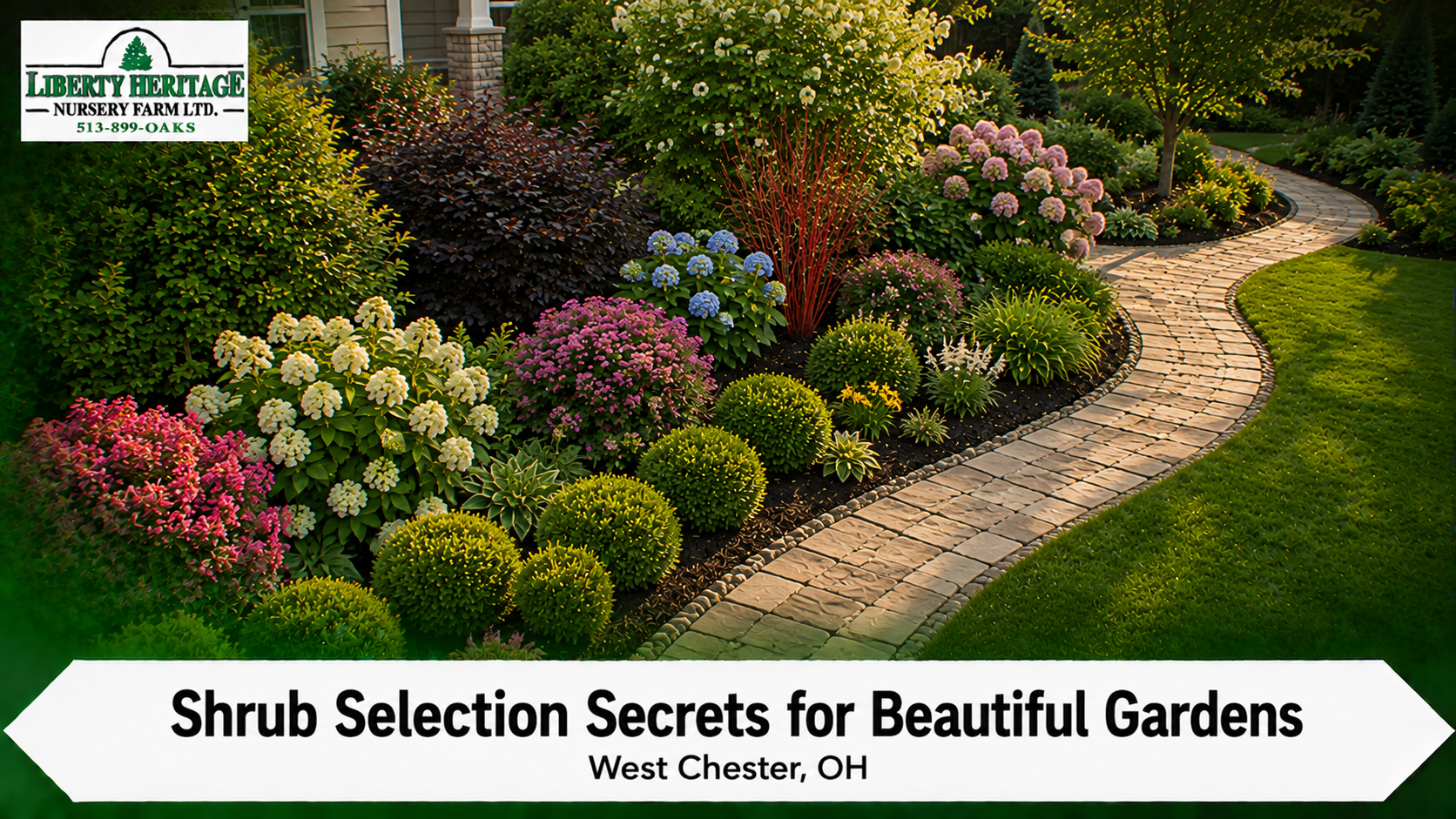
A walkway isn’t just a way to get from A to B. With creative walkway designs, you create a journey. Meandering paths, curves, and straight, strong lines each deliver a different mood. Front yard path design should lead the eye, offer safety, and connect with other hardscape and landscaping features.

Don’t forget transitions: the walk from the driveway to the porch, or from the front sidewalk to the garden, should feel natural. Use materials that work together, e.g., matching or complementary pavers or stones. Edging matters too; stone borders or metal/brick trims provide clean separation, facilitate maintenance, and prevent grass or mulch from overflowing.

Zone Your Lighting: Driveway Lighting Ideas That Amaze

Even the most gorgeous driveway and path design loses impact at dusk if unlit or poorly lit. Well-placed lighting can transform the entrance at night. Think low-voltage LED lights along the edges, step lights on walkways, recessed lighting in hardscaping, or accent lighting for trees or planters flanking the path.

Lighting isn’t just decorative; it’s functional. It improves safety (by reducing tripping), highlights textures or paver styles, and draws attention to your impressive entrance landscaping. Also, choose fixtures and light colors that complement your house. Warm lighting often feels welcoming; cooler tones suit modern dwellings.

Designing for Function: Drainage, Durability, & Maintenance

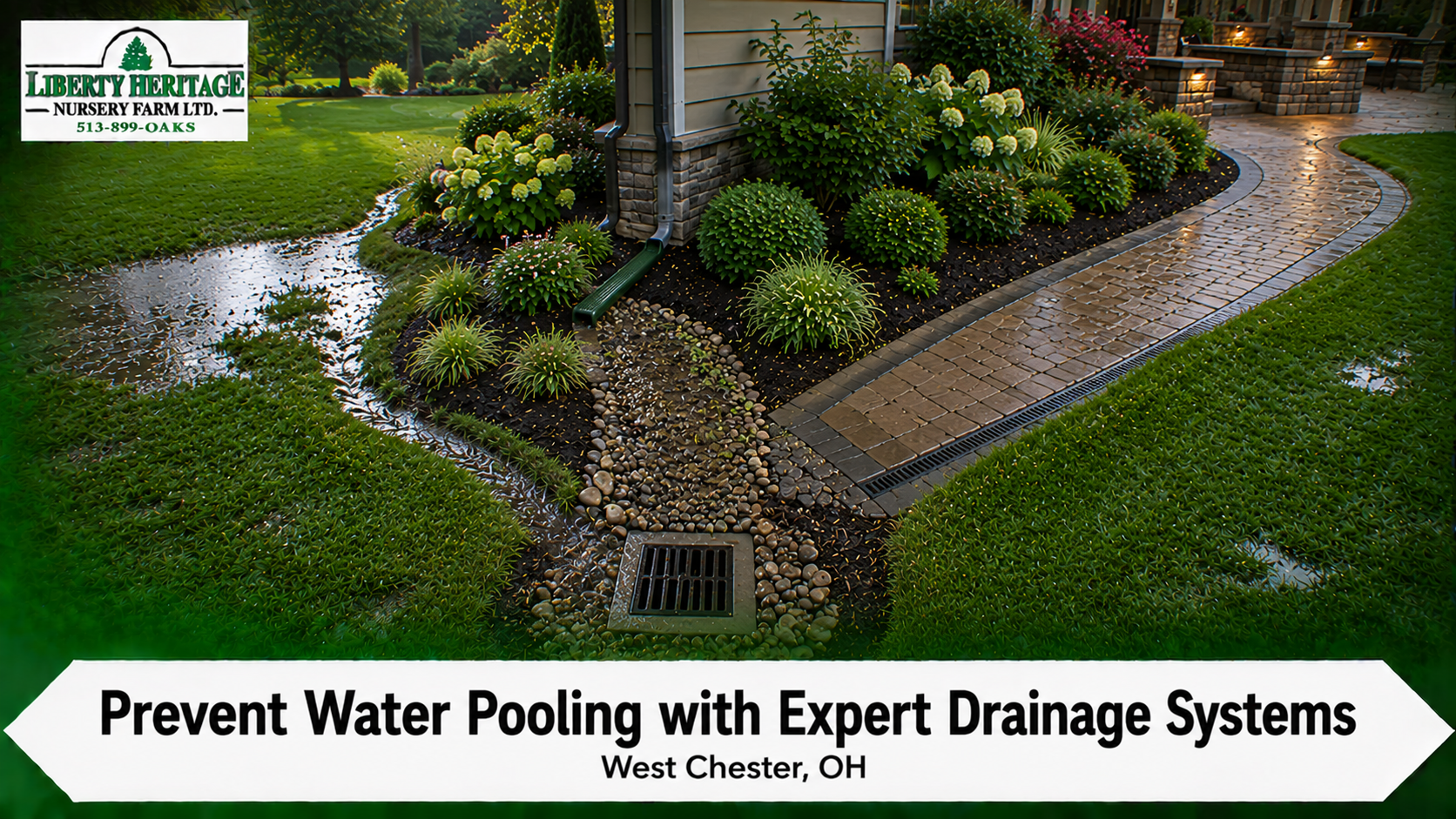
Beauty alone won’t carry your driveway or path; function must match form. One critical part is the drainage solution service. You need proper grading, a sub-base, possibly permeable materials, channels, or French drains to avoid puddles or damage. Poor drainage can ruin even the prettiest driveway.

Durability depends on both materials and installation. If you choose less durable materials, costs may be low upfront, but maintenance (crack repair, paver replacement, sealing) will add up. Think about snow, ice, heavy vehicles, and climate variables. Likewise, a driveway and walkway combination should flow well and be easy to maintain.

Enhancing Curb Appeal: Impressive Entrance Landscaping & Aesthetic Driveway Solutions

Guests often judge a home by its first glance. To make driveway and path design truly shine, invest in impressive entrance landscaping. That means framing the driveway and path with planting (shrubs, small trees, ornamental grasses), setting up focal points (a striking gate, sculpture, or decorative gate posts), or adding symmetry or asymmetry in visually pleasing ways.

Aesthetic driveway solutions go beyond plants: pairing textures (smooth vs. rough, polished vs. rustic), mixing materials, adding patterned borders, integrating decorative edging, and combining driveway & walkway in interesting shapes. Even small touches, like seasonal flowers, planter lighting, or matching the color of driveway stones with façade elements, help tie the look together.

Budgeting Smartly & Working with Professionals

Designing something impressive doesn’t mean breaking the bank. First, define which features are most important: pattern style, lighting, material, low maintenance, or wow factor. Prioritize accordingly. Get quotes from several contractors, check samples (especially for pavers, stone, and concrete finishes), and ask about warranties.

Also, when hiring pros, ask if they handle hardscaping and landscaping together; a cohesive plan usually looks better. Ensure they include drainage solution service, proper base work, and finishing details (edging, sealant, and lighting) so you’re not surprised by hidden costs or sloppy finishes.

Mistakes to Avoid While Planning

Even the best ideas fail if certain pitfalls are ignored. Common mistakes include:

  • Poor drainage/flat slope toward the house, which can lead to water pooling.
  • Choosing too many materials without consistency leads to visual clutter.
  • Skipping lighting or putting fixtures in the wrong spots (harsh glare, shadowed steps).
  • Ignoring local regulations (setbacks, permit requirements).
  • Using cheap materials but expecting premium performance.
  • Forgetting maintenance: sealing, cleaning, weed control, and repairing cracks.

Avoiding these ensures that your design impresses guests rather than embarrasses you.

Final Overview: Pulling It All Together

When you combine all the above—style matched to home, excellent material, creative walkway design, thoughtful lighting, and proper function—what you get is a driveway and path that don’t merely serve their purpose: they enhance daily life and lift your home’s first impression. An excellent investment of time and resources here pays off in curb appeal, utility, and lasting satisfaction. If you want guests to pause, comment, or even take photos, your entry path and driveway should feel intentional and beautifully crafted.

Final Thoughts

Designing driveways and paths that genuinely impress guests requires more than choosing pretty materials; it requires harmony among style, function, and setting. When you lean into creative walkway designs, choose the best materials for driveways, plan lighting with intention, and integrate landscaping and hardscaping seamlessly, your home gains a front that delights day and night. Start with a clear vision, make wise choices, work with professionals who care, and pay attention to details. Your curb appeal will thank you, and so will everyone who comes to your door.

FAQs

Q1: How wide should a driveway be to feel welcoming but still practical?

A: It depends on the number of vehicles you expect and whether guests will park or turn around. A single-car driveway is typically about 9–12 feet wide; a double-car or two-way access needs more (18–24 feet or more, depending on local codes). Leave enough space for turning if your driveway enters or exits a busy street.

Q2: What are the most durable materials for driveways and paths?

A: Natural stone, high-quality pavers, exposed aggregate concrete, and specifically treated stones are among the most durable. Concrete and asphalt can be long-lasting if properly installed and maintained, especially with good base work and drainage.

Q3: Do I need special permits for driveway and path design improvements?

A: Often yes, especially if you alter curb cuts, increase impervious surfaces, or change drainage patterns. Local zoning, homeowner association rules, and building department codes may require permits. Always check before you begin.

Q4: How can I incorporate eco-friendly elements into my driveway and walkway design?

A: Use permeable pavers or gravel, include green strips, incorporate native plants in bordering landscaping, use drought-tolerant planting, select sustainably produced material, and ensure drainage that reduces runoff.

Q5: What lighting is best for safety AND style?

A: Low-voltage LED fixtures, path lights at walking height, step or stair edge lights, accent spotlights to highlight landscaping, and lights embedded in walls or drive edges are all good. Make sure lighting is well-placed to avoid glare, shadows, or light pollution.

Scroll to Top