
How to Create Elegant Stone Walkways for Lasting Appeal

There’s something timeless about the charm of a well-crafted stone walkway. Whether guiding guests to your front door or weaving through your backyard garden, a stone path adds a touch of elegance that never goes out of style. But beyond beauty, a thoughtfully designed walkway can boost your home’s value, improve accessibility, and make your outdoor space more inviting.

The options are endless, from natural stone walkway designs that blend with the landscape to more structured stone paver installations. If you’ve been considering a stone walkway installation but aren’t sure where to start, this guide will walk you through design choices, materials, installation tips, and upkeep strategies to ensure your walkway is stunning and built to last.

stone walkway installation

Choosing the Perfect Stone Walkway Design

The first step to building a walkway that turns heads is settling on the right stone design. This is where function meets personality.

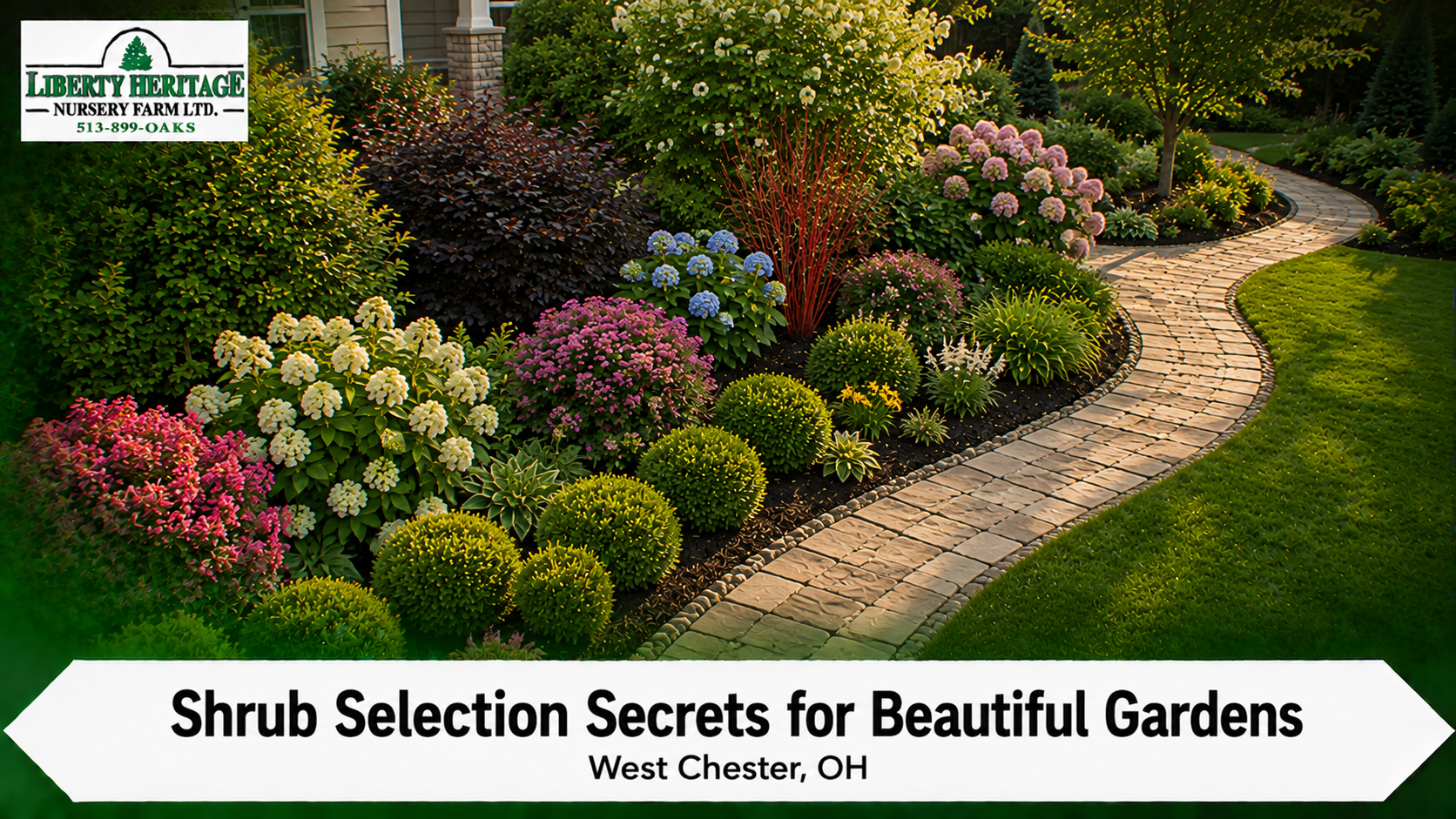
For a traditional look, flagstone offers organic shapes and natural colors that complement any garden. Consider sleek rectangular pavers with clean lines if you prefer a modern touch. Curved paths feel more relaxed and inviting, while straight walkways convey formality and order. The design should work with your home’s architecture and landscaping style, ensuring everything feels cohesive.

To get inspired, walk through your neighborhood or browse these stylish walkway paver ideas. Seeing real-life examples can spark creative ideas you might not have considered.

Selecting the Right Stone Walkway Materials

The type of stone you choose sets the tone for your project. Popular stone walkway materials include:

  • Flagstone—Natural, durable, and available in various shades.
  • Bluestone—Offers a rich blue-gray hue and a classic appeal.
  • Granite—Extremely durable and slip-resistant.
  • Limestone—Smooth and elegant, perfect for formal settings.

When selecting materials, consider how they’ll look year-round, not just in summer. Also, consider maintenance—some stones require more sealing or cleaning than others. Work with reputable stone walkway contractors who can recommend the best options for your climate and style preferences.

Prepping the Ground for a Solid Foundation

Even the most beautiful walkway will fail if it’s not built on a proper base. A professional stone pathway installation begins with excavation to remove grass, roots, and soil. Next, a compacted layer of gravel is added for drainage, followed by sand for leveling.

Skipping these steps can lead to shifting stones, water pooling, and weeds sneaking through the cracks. If you’re a DIY enthusiast, take your time with this stage—the foundation ensures your walkway will remain even and sturdy for years.

The Art of Stone Paver Installation

When it’s time for stone paver installation, precision matters; each stone should be placed snugly but with enough space for joint filler, such as sand or polymeric sand, to lock them in place.

For a natural stone walkway, you can choose either a dry-laid method (stones placed directly on a prepared base) or a mortar-set approach for a more permanent bond. Dry-laid paths are easier to repair, while mortar offers added stability. Your contractor will guide you based on the stone type and intended use of the walkway.

Adding Stone Walkway Edging for Definition

An often-overlooked detail that makes a significant impact is stone walkway edging. Edging keeps your stones in place, prevents spreading, and creates a clean visual boundary. For edging, you can use brick, steel, concrete, or even contrasting stone.

Not only does this make your walkway look more polished, but it also helps with maintenance by reducing soil and mulch creep. Think of it as the frame for your outdoor masterpiece—it completes the look while adding function.

Stone Walkway Maintenance Tips for Long-Lasting Beauty

Once your walkway is in place, stone walkway maintenance is key to preserving its charm. Regularly sweep away debris to prevent staining and moss growth. Rinse with a garden hose every few weeks, and use a mild cleaning solution for tougher spots.

Every few years, inspect the joints and replace sand or filler if needed. Sealing your stones can help prevent cracks from expanding in a freeze-thaw climate. The good news? With proper care, a stone walkway can last decades, aging gracefully with your landscape.

Professional vs. DIY Stone Walkway Installation

While installing a walkway yourself can be rewarding, hiring stone walkway contractors ensures professional results. Pros have the tools, skills, and experience to handle grading, drainage, and precise stone placement.

A DIY approach can save money if your walkway is small and you’re comfortable with manual labor. But investing in professional installation is worth every penny for large or complex designs—especially those with curves, multiple levels, or intricate patterns. Check out trusted experts in your area, like Liberty Heritage Nursery Farm, for high-quality work.

Bringing It All Together for Lasting Appeal

Creating an elegant stone walkway is more than laying rocks in a line—it’s about enhancing your home’s personality, guiding movement, and making an inviting atmosphere. By selecting the right stone walkway materials, paying attention to design, and ensuring quality installation, you can make a pathway that will remain stunning for decades.

Whether you opt for the natural flow of irregular flagstones or the precise symmetry of pavers, your walkway can be both functional and a work of art. Ready to get started? Explore walkway services in Butler County for expert guidance.

FAQs

Q1: How long does a stone walkway last?

A well-installed and maintained stone walkway can last 25+ years, often much longer.

Q2: Which stone is best for high-traffic walkways?

Granite and bluestone are excellent for durability and slip resistance.

Q3: Do stone walkways require sealing?

Not always, but sealing can help protect against stains and weather damage.

Q4: Can I install a stone walkway myself?

Yes, for simple designs—but professional installation ensures longevity and proper drainage.

Scroll to Top