Water is essential for a healthy yard—but when it’s not managed correctly, it can quietly cause severe damage. Many homeowners don’t realize how much drainage affects the long-term health of their outdoor spaces. From dying plants and eroded soil to cracked patios and shifting walkways, poor drainage can undo even the most beautiful landscape design.
Understanding how proper drainage protects your landscape and hardscape is one of the most critical steps in preserving your outdoor investment. Whether you have garden beds, lawns, patios, walkways, or retaining walls, drainage is crucial to keeping everything stable, healthy, and functional.
In this guide, we’ll break down why drainage matters, how excess water causes damage, and the best ways to protect both softscape and hardscape features.

What Is Proper Landscape and Hardscape Drainage?
Drainage refers to how water flows through and away from your property. Proper drainage systems are designed to:
- Move excess water away from plants and structures
- Prevent standing water and soil saturation.
- Control runoff during heavy rain
Drainage isn’t just about pipes or drains—it includes grading, soil composition, surface shaping, and strategic water direction.
When drainage is done correctly, water nourishes your landscape without damaging it.
Why Water Management Matters in Landscaping
Prevents Soil Erosion
When water flows uncontrollably across your yard, it washes away topsoil—the most nutrient-rich layer plants depend on.
Over time, erosion can:
- Expose plant roots
- Create uneven ground
- Damage lawn areas
- Undermine hardscape foundations
Proper drainage slows water movement and directs it safely away, preserving soil structure.
Maintains Healthy Soil Structure
Soil needs both water and oxygen. Poor drainage leads to waterlogged soil, which:
- Suffocates roots
- Causes compaction
- Reduces nutrient absorption
Well-drained soil allows roots to breathe and grow deeper, resulting in more vigorous plants and healthier lawns.
How Proper Drainage Protects Plant Health
Plants require consistent moisture—not constant saturation.
Prevents Root Rot and Disease
Standing water creates the perfect environment for:
- Root rot
- Fungal infections
- Mold and mildew
Once roots are damaged, plants struggle to absorb nutrients, even after water levels improve.
Reduces Pest Problems
Mosquitoes and other pests thrive in standing water. Proper drainage eliminates breeding grounds and creates a healthier outdoor environment.
Supports Stronger Plant Growth
With controlled moisture levels:
- Roots grow deeper
- Plants become more drought-resistant
- Growth is more balanced and predictable.
Protecting Hardscape Features from Water Damage
Hardscape features such as patios, walkways, driveways, and retaining walls are particularly susceptible to drainage issues.
Prevents Shifting and Cracking
Water that seeps beneath hardscape washes away base materials, leading to:
- Uneven surfaces
- Cracks in concrete or pavers
- Loose stones
Over time, freeze-thaw cycles worsen the damage.
Extends the Life of Hardscape Installations
Proper drainage ensures:
- Stable base layers
- Reduced frost heave
- Even settling over time.
This significantly extends the lifespan of patios, walkways, and retaining walls.
Foundation and Structural Protection
One of the most critical roles of drainage is protecting your home’s foundation.
How Water Damages Foundations
Water pooling near foundations creates:
- Hydrostatic pressure
- Soil expansion and contraction
- Cracks and shifting
This can lead to basement leaks, structural instability, and expensive repairs.
How Drainage Prevents Foundation Issues
Proper grading and drainage systems:
- Move water away from structures
- Reduce pressure on foundation walls.
- Prevent long-term structural damage.
Improving Yard Usability and Safety
Poor drainage doesn’t just damage landscapes—it makes them unpleasant to use.
Eliminates Standing Water and Mud
Proper drainage:
- Keeps lawns usable after rain
- Prevents muddy walkways
- Improves accessibility
Reduces Slip and Trip Hazards
Water pooling on hard surfaces increases the risk of slips. Good drainage keeps walkways and patios dry and safe.
Boosting Curb Appeal and Property Value
A well-drained yard:
- Looks cleaner and healthier
- Maintains crisp edges and defined beds
- Enhances overall curb appeal
Buyers often notice drainage problems immediately. Investing in drainage improvements protects property value and enhances landscape appeal.
Common Drainage Solutions for Landscapes and Hardscapes
1. Proper Grading and Sloping
Grading ensures water flows away from:
- Homes
- Hardscapes
- Planting beds
Even slight slopes can make a significant difference.
2. French Drains
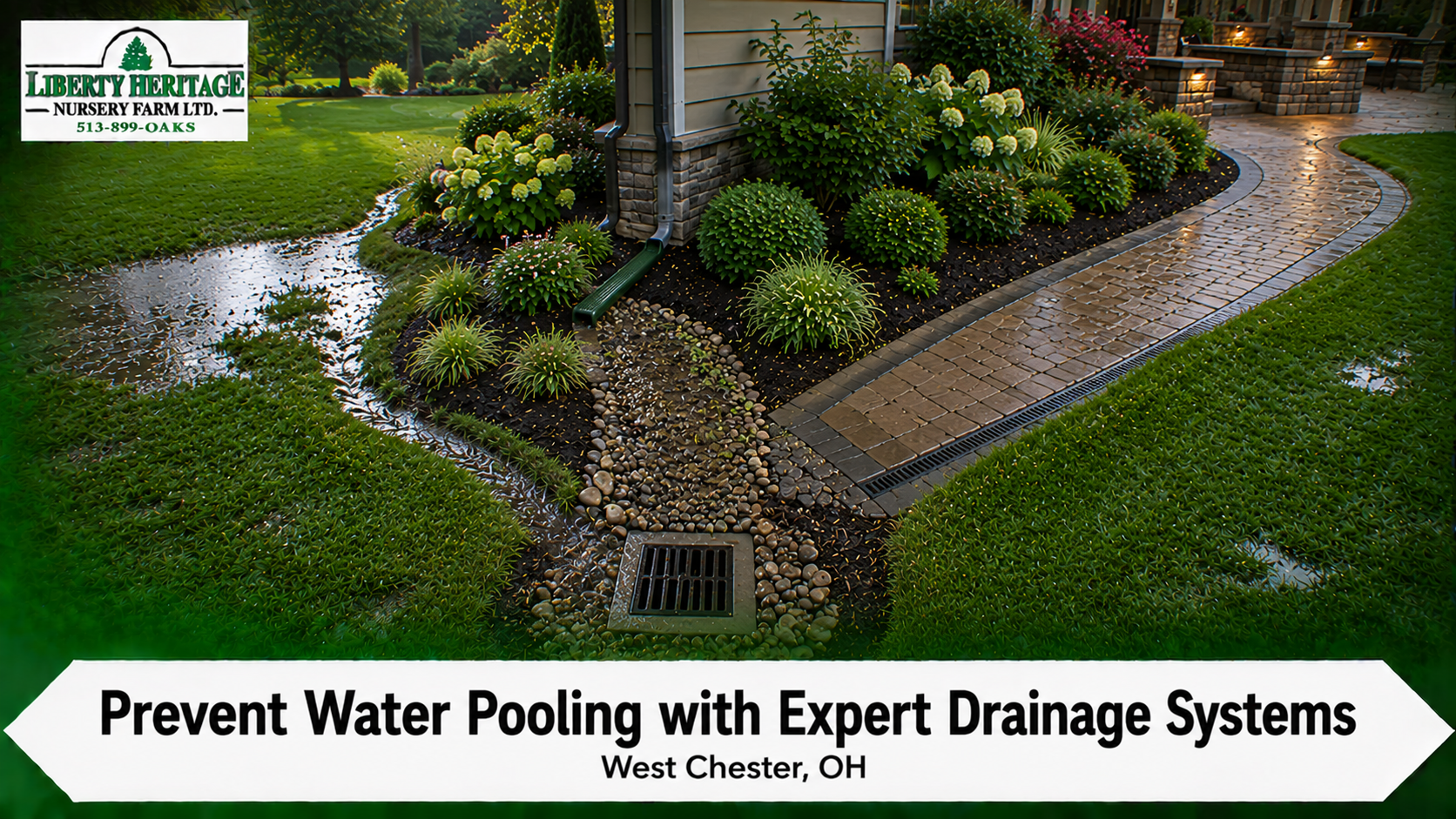
French drains collect and redirect underground water using perforated pipes and gravel.
Best for:
- Persistent soggy areas
- Foundation protection
- Low-lying yard sections
3. Catch Basins and Channel Drains
These surface drains capture water from:
- Patios
- Driveways
- Walkways
They prevent surface flooding and direct water to safe outlets.
4. Dry Creek Beds and Swales
These natural-looking solutions:
- Control runoff
- Reduce erosion
- Add visual interest
They’re instrumental in sloped yards.
5. Downspout Extensions and Gutter Management
Roof runoff can overwhelm landscapes. Extensions move water away from foundations and planting beds.
Signs Your Yard Needs Better Drainage
Watch for these warning signs:
- Standing water lasting more than 24 hours
- Yellowing or dying plants
- Soil erosion or exposed roots
- Cracked or uneven hardscapes
- Muddy or unusable areas
Addressing drainage early prevents expensive repairs later.
DIY Drainage Fixes vs Professional Solutions
When DIY May Work
- Minor grading adjustments
- Downspout extensions
- Small surface drains
When to Call a Professional
- Large drainage systems
- Persistent water problems
- Foundation-related concerns
- Hardscape instability
Professional design ensures drainage integrates seamlessly with your landscape and hardscape.
Conclusion
Understanding how proper drainage protects your landscape and hardscape is essential for maintaining a healthy, durable, and attractive outdoor space. From preserving soil and plant health to protecting patios, walkways, and foundations, drainage is critical to every successful landscape.
Investing in proper drainage solutions today prevents costly damage tomorrow and ensures your landscape remains functional and beautiful for years to come.
FAQs
Ans: Proper drainage prevents soil erosion, protects plant roots, extends the lifespan of hardscape, and reduces foundation damage.
Ans: Standing water, soggy soil, dying plants, erosion, and shifting patios are common signs.
Ans: Yes. Excess water undermines base materials, causing cracking, shifting, and uneven surfaces.
Ans: Solutions vary by property but often include grading, French drains, catch basins, and downspout management.
Ans : Inspect drainage after heavy rains and at least once per year to catch issues early.