Healthy plants start from the ground up. Whether you’re cultivating a thriving vegetable garden, designing a beautiful flower bed, or nurturing indoor houseplants, the soil you choose can make all the difference. Understanding how to choose the right soil for healthy plants is critical for water retention, nutrient delivery, root development, and overall plant vitality.
The right soil ensures that plants receive the nutrients they need while providing proper drainage and aeration. In poor soil, even expert gardeners struggle to grow strong, vibrant greenery. This guide covers everything from soil basics to testing, amendments, and maintenance so that you can create optimal growing conditions for every plant in your care.

1. What Is Soil? Understanding the Basics
Soil is more than just dirt—it’s a dynamic ecosystem that supports plant life. At its core, soil consists of:
- Minerals: Sand, silt, and clay
- Organic matter: Decomposed plants, compost, and humus
- Water and air: Essential for roots to absorb nutrients
- Microorganisms: Beneficial bacteria, fungi, and insects that aid nutrient cycles
Soil Texture Matters
- Sandy soil: Drains quickly but holds few nutrients
- Clay soil: Nutrient-rich but drains poorly
- Silty soil: Smooth texture, retains water well
- Loamy soil: Ideal balance of sand, silt, and clay for most plants
The texture of your soil affects drainage, nutrient availability, and root growth. Loamy soil is generally the best for most garden plants, while sandy or clay-heavy soil may require amendments.
2. Indoor vs Outdoor Soil Needs
Choosing soil depends on whether your plants are indoors or outdoors.
Indoor Plants:
- Require lightweight, sterile, well-draining mixes
- Potting soil is preferred over garden soil
- May contain perlite, vermiculite, peat moss, or coco coir
Outdoor Plants:
- Rely on native soil for structure and microbial activity
- May require amendments for drainage, fertility, or pH adjustment
- Raised beds or container gardens may use a combination of garden soil and compost
Using garden dirt in pots is often a mistake—it compacts easily, drains poorly, and may harbor pests. Conversely, indoor potting mixes can work for outdoor containers but not directly in garden beds.
3. Understanding Soil pH and Nutrients
Soil pH measures how acidic or alkaline the soil is, which directly affects nutrient availability.
Key Points:
- Acidic soil: pH < 7; good for azaleas, blueberries, and rhododendrons
- Neutral soil: pH 6.5–7; ideal for most vegetables and flowers
- Alkaline soil: pH > 7; suitable for lavender, clematis, and some herbs
Nutrients Plants Need:
- Macronutrients: Nitrogen (N), Phosphorus (P), Potassium (K)
- Micronutrients: Magnesium, Calcium, Iron, Zinc
- Deficiencies show as yellowing leaves, poor flowering, or weak growth
Soil amendments can correct pH levels and replenish nutrients. Lime raises pH (reduces acidity), while sulfur lowers pH (increases acidity).
4. How to Test Your Soil
Testing your soil is essential for choosing the right type and amendments.
Methods:
- DIY Soil Test Kits: Simple kits measure pH and sometimes basic nutrients
- Professional Lab Testing: Offers detailed reports on pH, NPK, organic matter, and contaminants
Steps:
- Collect soil samples from multiple garden spots
- Remove debris like roots and stones
- Follow the kit or lab instructions
- Interpret results and plan amendments accordingly
Testing ensures that you don’t waste time and money using the wrong soil or fertilizers.
5. Choosing Soil for Specific Plants
Different plants require different soil conditions for optimal growth.
Vegetable Gardens
- Best: nutrient-rich, loamy soil
- Amendments: compost, manure, sand for drainage
Flowers and Ornamentals
- Balanced soil with good drainage
- Mix organic matter for flowering and growth
Trees and Shrubs
- Deep-rooted, well-aerated soil
- Avoid compacted clay areas
- Mulch the top layer to retain moisture
Indoor Container Plants
- Well-draining potting mix
- Add perlite or vermiculite for aeration
- Avoid garden soil to prevent pests
6. How to Amend Soil
Soil amendments improve structure, fertility, and drainage.
Common Amendments:
- Compost: Adds nutrients and improves structure
- Manure: Nutrient-rich, helps water retention
- Sand: Improves drainage in clay-heavy soil
- Peat moss / Coco coir: Lightens soil, retains moisture
- Perlite/Vermiculite: Aerates soil for roots
DIY Soil Mixes:
- Vegetable garden: 40% loamy soil, 30% compost, 20% sand, 10% organic matter
- Flower beds: 50% garden soil, 30% compost, 20% peat moss
- Container plants: 40% potting soil, 30% perlite, 20% coco coir, 10% compost
Proper soil blends encourage root growth, prevent waterlogging, and enhance nutrient absorption.
7. Climate and Soil Considerations
Soil type often depends on your local climate.
- Clay soil (common in Ohio and the Midwest): Heavy, retains water → add sand, compost, and mulch
- Sandy soil (common in dry areas): Drains quickly → add organic matter and compost to retain nutrients
- Temperate climates: Loamy soil is ideal for most garden plants
Seasonal soil preparation is important: fertilize in spring, mulch in fall, and adjust pH as needed.
8. Watering, Drainage, and Soil Health
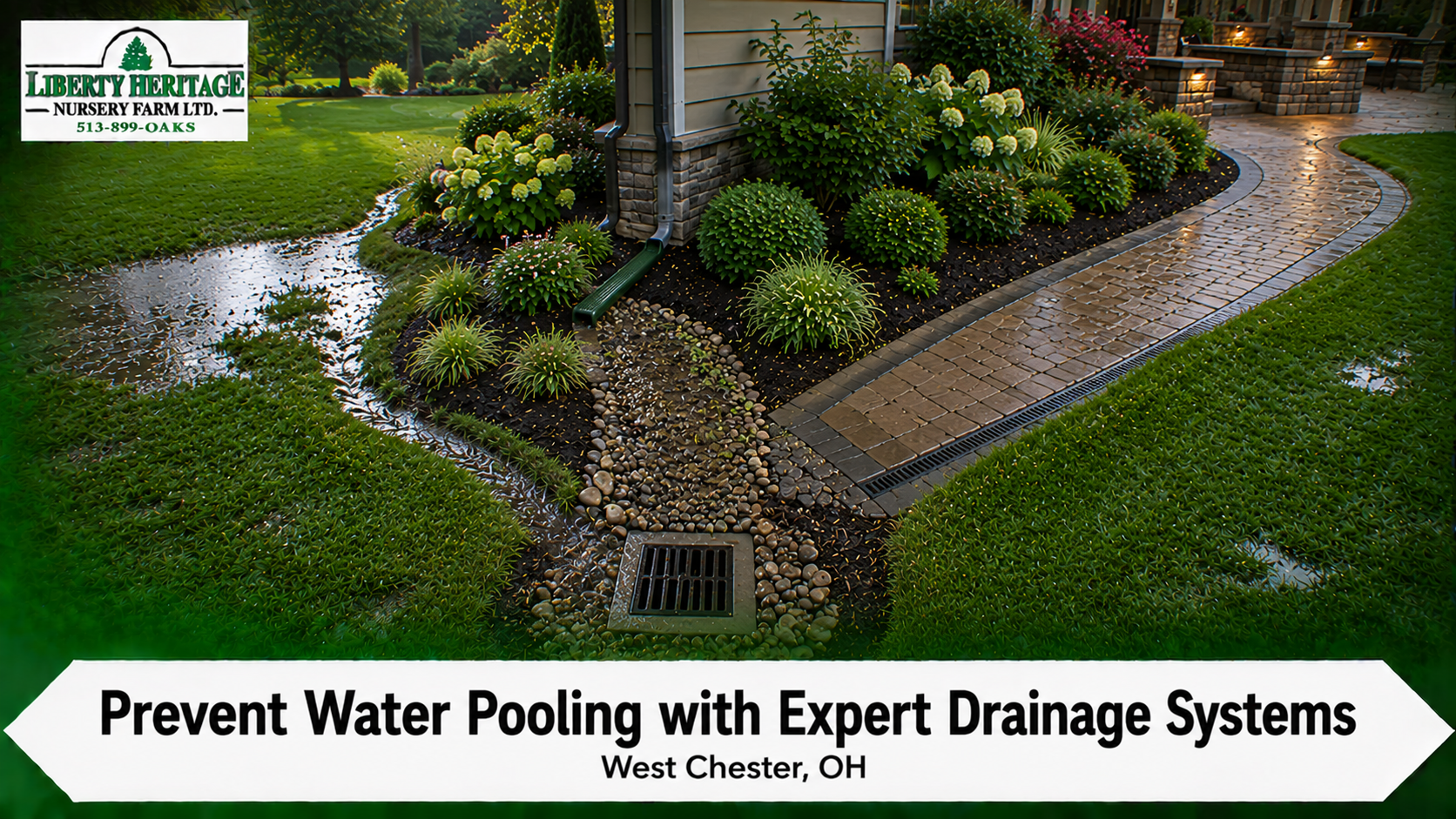
Soil texture affects watering and drainage. Overwatering or compacted soil leads to root rot, while dry, sandy soil struggles to retain nutrients.
- Ensure proper drainage using raised beds or amended soil
- Mulch helps retain moisture and suppresses weeds
- Deep watering encourages strong root systems
Maintaining the correct moisture balance ensures healthy, long-lasting plants.
9. Soil Maintenance Over Time
Even healthy soil requires periodic attention:
- Refresh the soil with compost annually
- Rotate crops in vegetable gardens
- Re-test soil pH every 1–2 years
- Mulch to prevent erosion and nutrient loss
Regular maintenance keeps your plants thriving and prevents nutrient depletion.
Final Thoughts
Choosing the right soil for healthy plants is the foundation of successful gardening. By understanding soil types, pH levels, nutrients, and amendments, you can create optimal conditions for indoor and outdoor plants alike. Testing soil, adjusting for specific plant needs, and maintaining it over time ensures vibrant, long-lasting greenery.
With the right soil knowledge and a few simple strategies, your garden or indoor plants can thrive year-round, producing beautiful blooms, lush foliage, and healthy harvests. Invest in your soil, and your plants will reward you with health and beauty.
FAQS
Q1: What type of soil is best for healthy plants?
Ans: Loamy soil with a balance of sand, silt, and clay is ideal for most plants. Amendments can improve poor or sandy soils.
Q2: How do I test my soil at home?
Ans: Use a DIY soil test kit to check pH and basic nutrients, or send samples to a professional lab for detailed analysis.
Q3: Can I fix poor soil without buying new soil?
Ans: Yes. Amend clay or sandy soils with compost, sand, peat moss, and perlite to improve structure and nutrient retention.
Q4: What soil pH is ideal for vegetables?
Ans: Most vegetables thrive in slightly acidic to neutral soil (pH 6–7). Adjust pH with lime or sulfur if needed.
Q5: Why is drainage important for soil health?
Ans: Proper drainage prevents root rot, encourages aeration, and ensures nutrients reach the roots efficiently.