Your yard should be a place of beauty, fun, and relaxation, not a swampy mess after every rainstorm. But if you’ve ever noticed puddles hanging around your lawn, soggy spots by the foundation, or water heading straight toward your house instead of flowing away, that’s a sign your outdoor space needs attention.
Yard grading and lawn drainage don’t have to be mysterious. With a bit of know-how and the right techniques, you can reshape your landscape to move water where it belongs, away from structures and toward safe outlets. Proper slope grading prevents water damage, protects your plants, and boosts the long‑term health of your turf. Whether you’re tackling a new yard regrading project or simply improving an existing landscape, this guide breaks it down in everyday language and expert tips.

In this post, we’ll explore what yard grading is, why it matters for drainage, how to evaluate your slope, and step‑by‑step actions you can take, plus when it’s time to call the pros. Let’s dig in!
Why Yard Grading Matters: From Puddles to Peace of Mind
Let’s be honest, nobody wants a soggy lawn. Too much standing water can:
- Kill grass and plants
- Invite mosquitoes and pests
- Damage walkways and driveways
- Cause foundation issues
That’s exactly why yard grading is more than “land leveling”; it’s preventive care for your entire outdoor space. When your soil and slope direct water properly, you basically stop problems before they start.
Proper grading gives water a clear path to:
✔ Flow away from your home
✔ Avoid pooling against structures
✔ Enter safe drainage areas
✔ Maintain healthy soil and plants
This is where drainage grading becomes invaluable. We’re not just talking about smoothing out the lawn; we’re talking about designing your land so rainwater moves naturally and safely.
Understanding Slope Grading: How Much Is Enough?
Alright, so what is slope grading? Simply put, it’s shaping the yard so the ground slopes gently away from your home’s foundation. The general rule of thumb is
At least 1 inch of slope per foot of distance for the first 5–10 feet away from the house.
This means that if your property slopes toward the home rather than away from it, water can pool and cause trouble.
Why It Works
- Water follows the path of least resistance
- A slight downward slope keeps water moving
- Gentle grading keeps turf healthy and soil balanced
Quick Check‑in: Do You Need Grading?
If you answer “yes” to any of the following, your yard likely needs drainage improvements:
- Water puddles after light rain
- Soil around your home stays wet for days
- The basement or crawl space has water spots
- Grass grows unevenly in low areas
Step‑by‑Step: How to Grade Your Yard for Proper Drainage
Ready for action? Here’s how to get your yard flowing in the right direction—without random guesswork.
1. Evaluate Your Yard’s Current Grade
Start with a simple look at the lay of the land. Grab these tools:
- A long, straight board or string
- A level (water level works too)
- Stakes and markers
Walk your yard and mark areas where water collects and drains poorly.
Ask yourself:
- Where do puddles form?
- Is the ground flat or uneven?
- Is water rushing toward structures?
Once you map these patterns, your grading plan becomes clearer.
2. Determine Where Water Should Go
Choose a safe drainage outlet:
✔ Street or gutter
✔ Dry creek bed
✔ Rain garden or swale
✔ French drain
Linking yard regrading with these natural exits prevents problems rather than just masking symptoms.
3. Reshape the Soil
This is where the real work begins:
- Move soil from low spots to high points
- Build gentle slopes away from structures
- Avoid steep or unnatural grades
For small fixes, a shovel and rake can do the trick. For bigger jobs, consider renting a
- Lawn leveling rake
- Mini-excavator
- Wheelbarrow
Safety tip: don’t bury sprinkler heads or utility lines when moving soil!
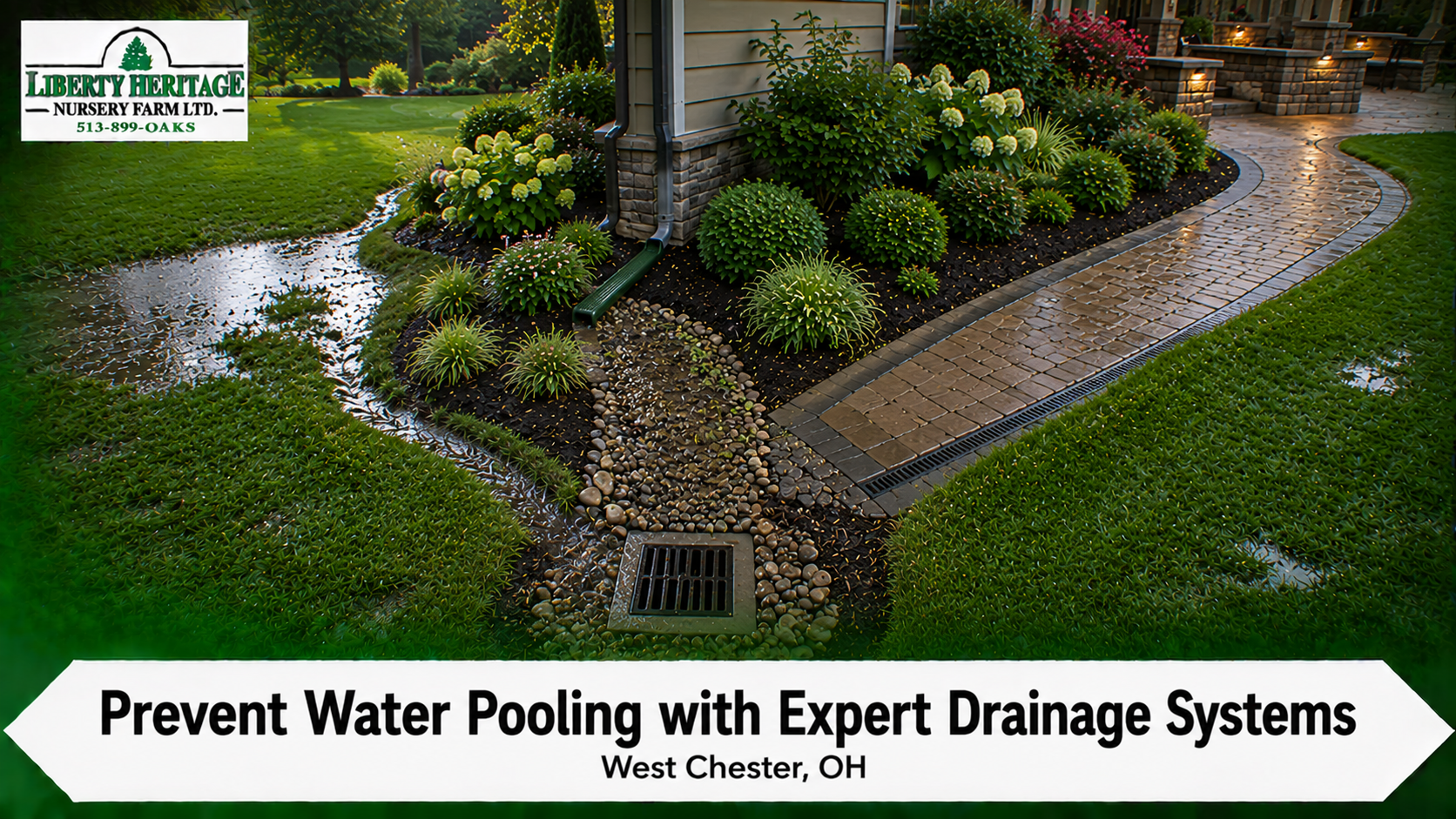
Drainage Solutions That Complement Yard Grading
While correct slope grading solves most issues, sometimes you need extra support. Here are smart drainage add‑ons:
French Drains
These are trenches filled with gravel and a perforated pipe that redirects water underground.
Swales
Shallow, vegetated channels that carry water safely across your property.
Dry Creek Beds
Landscaped stone paths that look beautiful and prevent erosion.
Catch Basins
Installed low points where water collects and enters buried pipes.
Each of these works with yard leveling and land grading to manage big rains and sudden downpours.
Tools and Techniques: What You’ll Use
Wondering what tools help the most? Here’s a quick list:
Basic Tools:
- Shovel
- Rake
- Tape measure
- Stakes & string
- Level or laser level
Advanced Tools:
- Lawn leveling rake
- Soil tamper
- Mini-excavator
- Landscape fabric
Remember, the right tools make the job smoother, faster, and more accurate, especially when aiming for precise drainage grading.
When to Call a Pro: No Shame in Expertise
You can handle a lot of grading yourself, but sometimes a professional is the best call—especially for
- Large yards
- Severe drainage issues
- Water near foundations
- Complex grading plans
Working with experienced landscapers ensures your project is done right the first time. For reliable support that blends grading with drainage solutions, check out these resources:
Landscaping and plant support.
Professional drainage grading services in Liberty Township.
Learn more about landscape protection and drainage.
Professionals bring insights, equipment, and experience that save time and prevent costly mistakes.
Common Mistakes to Avoid
Even with the best intentions, some grading jobs go sideways. Here are common errors and how to avoid them:
✔ Too steep a slope → Keep it gradual for safety and turf health
✔ Ignoring utility lines → Always call before you dig
✔ Pushing soil against structures → Water gets trapped and seeps in
✔ Not accounting for future settling → Soil compaction matters
Avoid these, and you’ll keep your lawn healthy, dry, and gorgeous.
Final Thought: Fix It Right and Keep It Flowing
You don’t have to be a landscaping pro to improve your yard’s drainage. With careful evaluation, intentional slope grading, and the right techniques, water will move where it’s supposed to, not where it’s not wanted.
Whether you choose DIY grading or professional help, the investment pays off in a healthier lawn, safer home, and fewer drainage headaches.
Ready to take the next step? Start by mapping your yard and planning where the water should go when it rains next!
FAQs
Q1: What is a good slope for yard drainage?
A minimum slope of 1 inch per foot away from your home for the first 5–10 feet is recommended to encourage proper water flow.
Q2: How long does yard grading take?
Simple grading can take a day or a weekend. Larger regrading jobs can take several days, depending on tools, helpers, and soil conditions.
Q3: Can yard grading fix all drainage issues?
Grading solves many problems, but some yards require additional solutions, such as French drains, swales, or drainage pipes, especially in areas with heavy clay soil.
Q4: Do I need a permit to grade my yard?
This depends on local regulations. Always check with your municipality before making large changes.
Q5: Will grading damage my plants or lawn?
If done carefully, grading can improve plant health. But major shifts can disturb existing plants, so plan for reseeding or replanting as needed.