
Creating a beautiful yard in Ohio doesn’t have to mean endless watering, pruning, or seasonal replacements. The key is choosing plants that naturally thrive in Ohio’s climate, soil conditions, and seasonal changes. If you select the right varieties, you can enjoy a vibrant, healthy landscape without constant upkeep.
Ohio experiences hot, humid summers and cold winters. That means plants must tolerate temperature swings, occasional drought, and sometimes heavy rainfall. Homeowners who understand this reality can build landscapes that look stunning year-round while requiring minimal maintenance.
In this guide, we’ll explore the best low-maintenance plants for Ohio yards, including shrubs, perennials, ornamental grasses, and native plants that deliver long-term beauty with less effort.
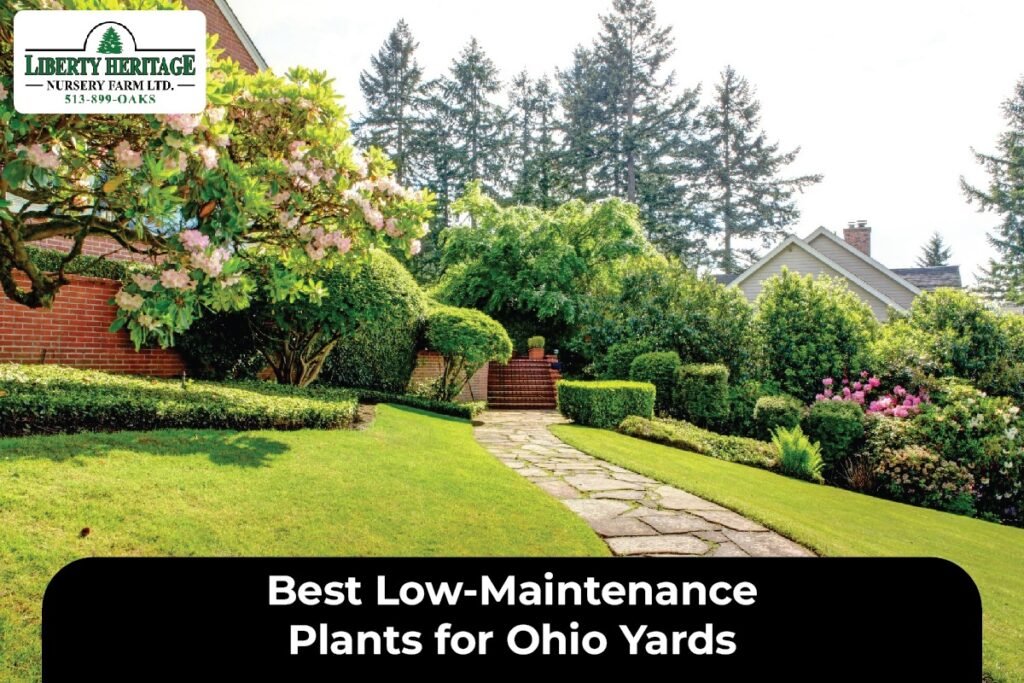
Why Choosing the Right Plants Matters in Ohio
Many landscaping problems happen because homeowners select plants that aren’t suited for the local environment. When plants struggle to adapt, they require additional watering, fertilization, pest control, and pruning.
Low-maintenance landscaping begins with climate compatibility. Ohio sits mostly in USDA Hardiness Zones 5 and 6. Plants that are hardy in these zones naturally survive winter freezes and summer heat without extensive intervention.
When you choose plants suited for Ohio:
- They require less watering
- They resist local pests and diseases
- They survive winter without protection
- They grow naturally in local soil types
- They reduce replacement costs
This approach saves both time and money over the long term.
Top Low-Maintenance Shrubs for Ohio Yards
Shrubs form the backbone of most landscapes. They provide structure, privacy, and year-round interest. The following shrubs perform exceptionally well in Ohio with minimal care.
1. Boxwood
Boxwood is a classic evergreen shrub that thrives in Ohio’s climate. It maintains its shape with minimal pruning and works well as a border, in foundation plantings, or as a formal hedge.
Its benefits include:
- Year-round greenery
- Slow growth rate
- High cold tolerance
- Adaptability to various soil types
2. Hydrangea (Panicle Varieties)
Panicle hydrangeas are extremely hardy and bloom each summer reliably. They tolerate cold winters better than other hydrangea types.
Why homeowners love them:
- Large, showy blooms
- Minimal pruning requirements
- Strong winter hardiness
- Long blooming season
3. Spirea
Spirea is one of the easiest flowering shrubs to maintain. It tolerates heat, cold, and poor soil conditions.
Key advantages:
- Bright seasonal flowers
- Drought tolerance once established
- Compact growth habit
- Resistant to most pests
Hardy Perennials That Return Every Year
Perennials are an excellent choice for low-maintenance landscaping because they return year after year. Once established, many require very little care.
4. Black-Eyed Susan
This native favorite thrives in Ohio’s climate. It tolerates drought and attracts pollinators.
- Long blooming season
- Minimal watering needed
- Great for erosion control
- Strong disease resistance
5. Daylilies
Daylilies are nearly indestructible and adaptable to many soil types.
They offer:
- Vibrant summer color
- Tolerance to heat and humidity
- Low fertilization needs
- Easy division for expansion
6. Coneflowers (Echinacea)
Coneflowers are both beautiful and practical. They are drought-tolerant and attract beneficial insects.
Benefits include:
- Strong stems that resist wind
- Minimal pest problems
- Excellent pollinator support
- Winter hardiness
Ornamental Grasses for Effortless Texture
Ornamental grasses add movement and modern texture to Ohio landscapes. They thrive in poor soil and require little maintenance.
7. Switchgrass
A native grass that grows well in Ohio conditions.
- Excellent for erosion control
- Tolerates drought
- Requires little pruning
- Adds fall interest
8. Feather Reed Grass
This grass maintains an upright form and works well in both residential and commercial landscapes.
It offers:
- Clean, vertical lines
- Cold tolerance
- Minimal seasonal trimming
- Resistance to disease
Native Plants: The Smartest Choice for Ohio Yards
Native plants are naturally adapted to local soil, rainfall, and temperature patterns. They often require less fertilizer and irrigation.
Examples of strong native performers:
- Ohio Buckeye
- Purple Coneflower
- Little Bluestem
- Wild Columbine
- Serviceberry
Native plants also support local wildlife and pollinators, improving ecological health.
Shade-Tolerant Low-Maintenance Plants
Many Ohio yards include shaded areas from mature trees. Fortunately, several easy-care plants thrive in partial or full shade.
Top shade performers:
- Hostas
- Coral Bells
- Fern varieties
- Astilbe
- Japanese Forest Grass
These plants add depth and color without requiring constant care.
Drought-Tolerant Options for Busy Homeowners
Water conservation is becoming more important. Drought-tolerant plants reduce irrigation needs while maintaining curb appeal.
Strong drought-resistant choices:
- Lavender
- Russian Sage
- Sedum
- Yarrow
- Ornamental Allium
Once established, these plants need minimal watering even during Ohio’s dry spells.
How to Design a Truly Low-Maintenance Landscape
Selecting the right plants is only part of the solution. Proper planning ensures long-term success.
Consider these best practices:
- Group plants with similar water needs
- Use mulch to retain moisture
- Install proper drainage systems
- Avoid overcrowding plants
- Choose quality soil or topsoil
Mulch helps reduce weeds and moisture loss, further decreasing maintenance requirements.
Common Mistakes to Avoid
Even low-maintenance plants can struggle if installed improperly.
Avoid these common landscaping errors:
- Planting without checking sunlight requirements
- Overwatering drought-tolerant plants
- Using poor-quality soil
- Ignoring drainage issues
- Planting too close to foundations
Planning prevents long-term headaches.
Seasonal Care Tips for Ohio Landscapes
While low-maintenance plants require less work, they still benefit from occasional attention.
Spring:
- Remove dead growth
- Apply fresh mulch
- Light fertilization if needed
Summer:
- Water deeply but infrequently
- Monitor for pests
Fall:
- Cut back perennials
- Prepare soil for winter
Winter:
- Protect young plants
- Avoid heavy pruning
Why Buy Locally Grown Plants in Ohio?
Plants grown locally are already acclimated to Ohio’s climate. This increases survival rates and reduces transplant shock.
When sourcing plants locally:
- They adapt faster
- They require less adjustment care
- They are often healthier
- You receive climate-specific guidance
Local nurseries understand Ohio soil conditions and can recommend plant combinations that work best together.
Final Thoughts
Choosing the Best Low-Maintenance Plants for Ohio Yards is about working with nature instead of against it. By selecting hardy shrubs, perennials, ornamental grasses, and native plants that thrive in Ohio’s climate, homeowners can create landscapes that look beautiful year-round without constant upkeep.
A well-planned yard doesn’t just save time—it increases property value, supports pollinators, and reduces water usage. With the right plant choices and proper installation, your Ohio landscape can remain vibrant, resilient, and easy to maintain for years to come.
FAQs
Q1: What are the easiest plants to grow in Ohio?
Ans: Boxwood, spirea, black-eyed Susan, daylilies, and coneflowers are among the easiest plants to grow in Ohio due to their adaptability and winter hardiness.
Q2: What plants survive Ohio winters?
Ans: Plants hardy in USDA Zones 5 and 6 survive Ohio winters. Examples include hydrangea paniculata, switchgrass, boxwood, and native perennials.
Q3: Are native plants better for Ohio landscaping?
Ans: Yes, native plants require less water, fertilizer, and maintenance because they are naturally adapted to Ohio’s climate.
Q4: What low-maintenance plants grow in shade?
Ans: Hostas, coral bells, ferns, and astilbe grow well in shaded Ohio yards with minimal care.
Q5: How do I reduce yard maintenance?
Ans: Choose climate-appropriate plants, apply mulch, improve soil quality, and group plants by watering needs.