
When you imagine the perfect backyard or front yard, you might think of lush lawns, colorful flower beds, and maybe even a shaded seating spot. But here’s the truth: plants alone don’t make an outdoor space unforgettable. The real magic comes from the residential hardscape—the patios, pathways, walls, and other built features that bring structure and style to your yard.
From a simple residential patio installation for weekend hangouts to a stunning driveway hardscape installation that wows your guests, hardscaping can change how you use and enjoy your property. This guide will walk you through everything you need to know—from planning and design to installation and upkeep—so you can create an outdoor space that’s as beautiful as it is functional.
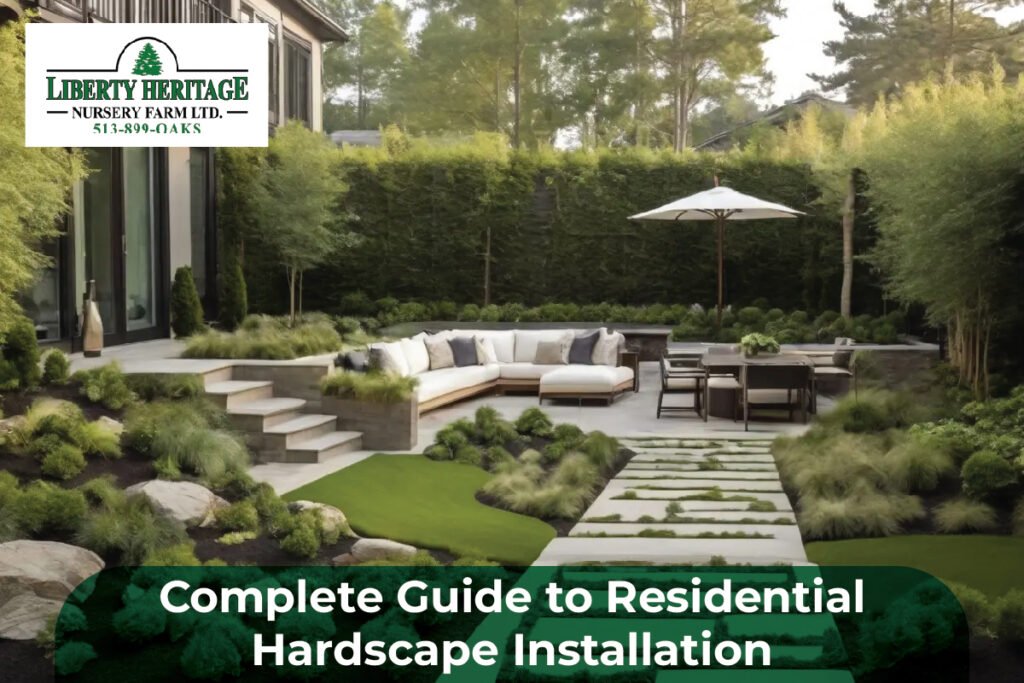
What Exactly Is Residential Hardscape?
Hardscaping covers all the non-living features in your landscape. Think stone patios, brick walkways, retaining walls, fire pits, and pergolas. These elements balance the living features (plants, shrubs, and grass) and make your space more usable year-round.
A thoughtful residential landscape hardscape design solves practical problems like uneven ground, drainage issues, and awkward traffic flow. At the same time, it boosts curb appeal and gives your yard a polished, intentional look.
Plan First, Build Second
Jumping straight into a project without a plan is a recipe for regret. The best hardscape design installation starts with careful planning. Look at your space and think about how you want it to function. Do you need a larger entertaining area? A private corner to relax? A safer driveway?
Working with experienced hardscape contractors is a smart move here. They can create 3D designs, help you choose materials that suit your climate, and ensure your plans match your home’s style. Professionals also ensure your layout works with existing landscaping instead of against it.
Picking the Right Materials
Your choice of materials will affect not just the look but also the lifespan of your hardscape. Common options include:
- Natural stone—timeless, durable, and perfect for upscale designs.
- Concrete pavers—affordable, versatile, and available in many colors.
- Brick—Classic charm with strong durability.
- Stamped concrete—Can mimic stone or tile at a lower cost.
Use materials that can handle weight and resist wear for heavy-duty projects like driveway hardscape installation. For inspiration, check out these walkway paver tips.
Residential Patio Installation: Your Outdoor Living Room
A patio is one of the most rewarding hardscape projects you can invest in. An excellent residential patio installation turns your yard into a valid extension of your home—a place for morning coffee, BBQ parties, or quiet reading time.
You can keep it simple with pavers and a dining set or go all out with built-in seating, fire pits, and outdoor kitchens. Size, shape, and material choice will all significantly affect how your patio feels and functions.
Retaining Walls That Work Hard and Look Great
Sloped yards, soil erosion, and uneven planting beds can all be solved with retaining wall installation. But these walls do more than hold back soil—they add style and structure to your outdoor space.
Depending on your desired look, stone, block, or timber can be used. A skilled outdoor hardscape installation team will ensure your wall is built with proper drainage and reinforcement to stay strong for decades.
Driveway Hardscape Installation: First Impressions Count
Your driveway is one of the first things people notice about your property. A well-done driveway hardscape installation adds beauty, value, and functionality.
Pavers, stamped concrete, or cobblestones can give your driveway a unique and polished look. If flooding is a concern, consider permeable pavers to allow water to drain naturally. This is especially helpful in areas with heavy rain.
Outdoor Hardscape Installation Ideas to Elevate Your Space
Hardscaping doesn’t stop at patios and driveways. You can add:
- Walkways to connect different areas of your yard.
- Steps for sloped properties.
- Pergolas for shade and charm.
- Outdoor fireplaces for year-round gatherings.
These extras make your space more functional and inviting. To see how experts can bring your vision to life, explore hardscaping services in Butler County.
Why You Should Work with Hardscape Contractors
DIY is tempting, but big hardscape projects have challenges—grading, drainage, permits, and heavy lifting. Professional hardscaping installation services save you time, prevent costly mistakes, and ensure the finished product lasts.
Contractors also have access to tools and materials you might not, plus the expertise to handle complex designs, such as multi-level patios or curved retaining walls.
Final Thoughts
A well-planned residential hardscape installation can completely transform your property, making it more beautiful, functional, and enjoyable. Whether adding a residential patio, tackling a retaining wall, or going for a complete outdoor hardscaping installation, the results will be worth the investment.
Plan smart, choose quality materials, and work with experienced pros to create an outdoor space that will serve you well for years.
FAQs
Q1: How long will my residential hardscape last?
Most hardscape features last 20–30 years or more with proper installation and maintenance.
Q2: Do I need a permit for hardscape projects?
Some projects, such as massive walls or significant driveway changes, require permits. Check with your local building office.
Q3: What’s the easiest hardscape feature to start with?
Patios and walkways are great beginner projects, especially with pavers.
Q4: Can I combine hardscaping with new landscaping?
Yes! The best outdoor designs combine hardscape and softscape for balance and beauty.