
Water pooling in your yard, muddy patches, and eroding slopes aren’t just annoying; they can seriously damage your landscape over time. Proper drainage isn’t only about keeping your grass green; it’s about protecting your soil, controlling runoff, and maintaining the stability of your property. Effective drainage techniques are essential for preventing soil erosion, especially on slopes or in areas prone to heavy rainfall. Whether you’re tackling French drain erosion, swale drainage, or geotextile drainage solutions, a well-designed system ensures your yard remains functional, attractive, and safe.
Let’s dive into practical strategies, creative solutions, and expert tips to help you take control of your yard’s drainage while preventing soil erosion.
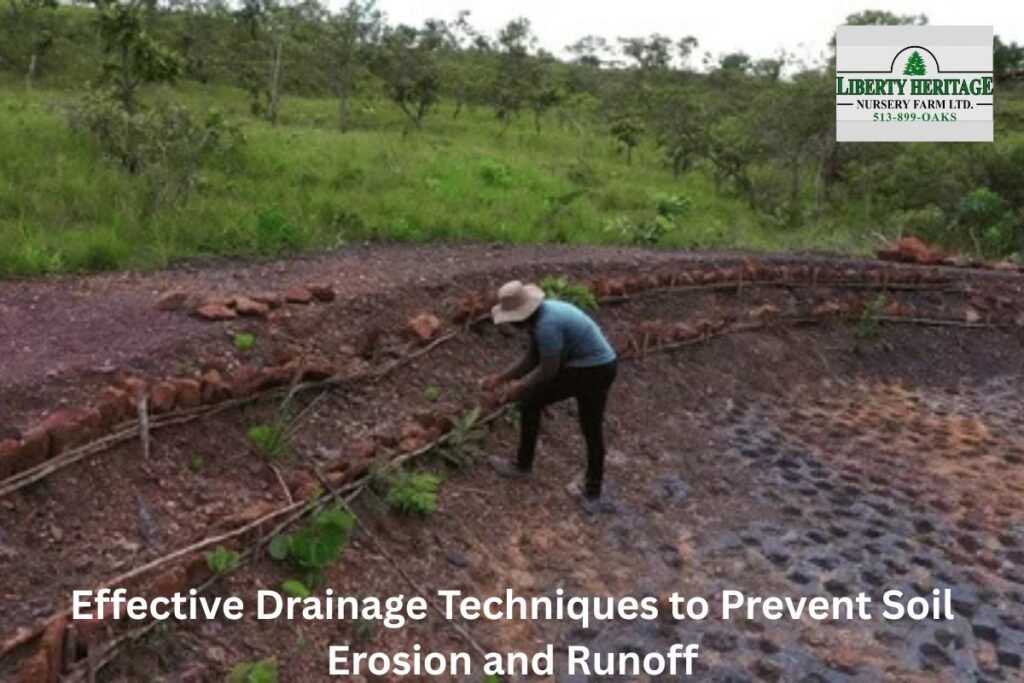
Why Soil Erosion Prevention Matters
Soil erosion isn’t just unsightly; it can weaken your yard’s foundation and create costly damage over time. Rainwater and runoff can strip away topsoil, destroy plants, and even cause flooding if not properly managed. Implementing erosion control measures early protects your property and promotes healthier soil for landscaping.
Consider this: when water flows unchecked down slopes, it gathers speed and power, washing away valuable soil and nutrients. This not only harms your plants but also affects local water quality by allowing sediments to enter storm drains or nearby streams. With the right drainage techniques, you can prevent erosion and control runoff effectively.
Mastering Slope Drainage for Hilly Yards
Hilly or sloped yards are especially vulnerable to soil erosion. Water naturally travels downhill, creating gullies or washing away garden beds if not managed properly. Slope drainage solutions are essential for redirecting water and protecting your landscape.
Some effective strategies include:
- Terracing: Breaking slopes into flat steps slows down water flow.
- Contour planting: Aligning plant beds along the natural contour reduces erosion.
- Swale drainage: Shallow channels can direct water safely across a slope, reducing erosion pressure.
By strategically managing water flow on slopes, you not only prevent erosion but also enhance your yard’s aesthetics. Proper slope drainage turns a challenging landscape into a functional, beautiful space.
French Drain Erosion Control: A Proven Solution
French drains are a classic yet highly effective method for managing water and preventing soil erosion. A French drain consists of a perforated pipe buried in gravel that redirects water away from problem areas, making it ideal for areas prone to pooling or heavy runoff.
Benefits include:
- Protecting foundations from water damage.
- Minimizing erosion in low-lying or flood-prone areas.
- Long-term effectiveness when installed with geotextile drainage fabric.
Professional installation ensures proper slope, positioning, and materials, reducing the risk of clogging or failure. For a full installation guide, you can check it.
Swale Drainage: Nature-Inspired Water Management
Swale drainage uses shallow, vegetated channels to slow and capture runoff. This method mimics natural water paths, allowing soil to absorb moisture while reducing erosion risks. Swales are especially effective for larger landscapes or properties with moderate slopes.
Why swale drainage works:
- Directs water without creating unsightly trenches.
- Enhances soil absorption, reducing runoff.
- Supports native plant growth, improving erosion control naturally.
Adding a combination of swales and French drains can provide a comprehensive solution, tackling both concentrated water flow and widespread runoff.
Using Geotextile Drainage for Long-Term Protection
Geotextile drainage fabrics are becoming increasingly popular for erosion control. These permeable fabrics allow water to pass through while stabilizing soil, making them perfect for slopes, retaining walls, or areas prone to heavy rain.
Advantages include:
- Preventing soil from washing into drainage pipes.
- Extending the lifespan of drainage systems.
- Reducing maintenance by controlling sediment buildup.
By integrating geotextile fabrics with French drains or swales, you create a durable, efficient erosion-prevention system.
Runoff Control Tips for Every Yard
Controlling runoff is critical to protecting your yard and local waterways. Unmanaged runoff can cause flooding, soil loss, and damage to landscaping structures. Here are practical steps to take:
- Rain gardens: Capture water while adding beauty to your yard.
- Permeable surfaces: Replace concrete with pavers or gravel to allow infiltration.
- Proper grading: Ensure water flows away from buildings and problem areas.
Even small adjustments, like adding mulch or planting deep-rooted vegetation, can significantly reduce runoff and soil erosion.
Choosing the Right Drainage Solution for Your Property
Selecting the best drainage method depends on your yard’s layout, soil type, and water patterns. Combining multiple techniques often yields the best results. For example:
- Low spots + French drains for concentrated pooling.
- Slopes + swales for gradual water redirection.
- Heavy clay soils + geotextile drainage to improve absorption.
Professional services can assess your property and recommend a customized plan. Investing in the right approach saves money and prevents long-term erosion issues.
Final Thoughts
Effective drainage and soil erosion prevention require planning, smart design, and occasional professional help. By understanding your yard’s unique needs and applying techniques like French drain erosion control, swale drainage, geotextile drainage, and slope management, you can safeguard your property from damage while enhancing its beauty.
Don’t wait for heavy rain to reveal weak spots. Take action today, explore, and enjoy a healthier, erosion-free yard for years to come.
FAQs
Combining swale drainage, terracing, and deep-rooted plants is highly effective for controlling slope erosion.
It redirects water away from problem areas, reducing surface runoff and soil loss.
Yes, geotextile fabric can be retrofitted into slopes, retaining walls, and drainage channels to improve stability.
Persistent pooling, muddy areas, or visible soil erosion are signs that professional drainage services, like those offered by Liberty Heritage Nursery & Farm, may be necessary.
Swales can be scaled to fit small or large properties, but the design must account for available space and water flow.