
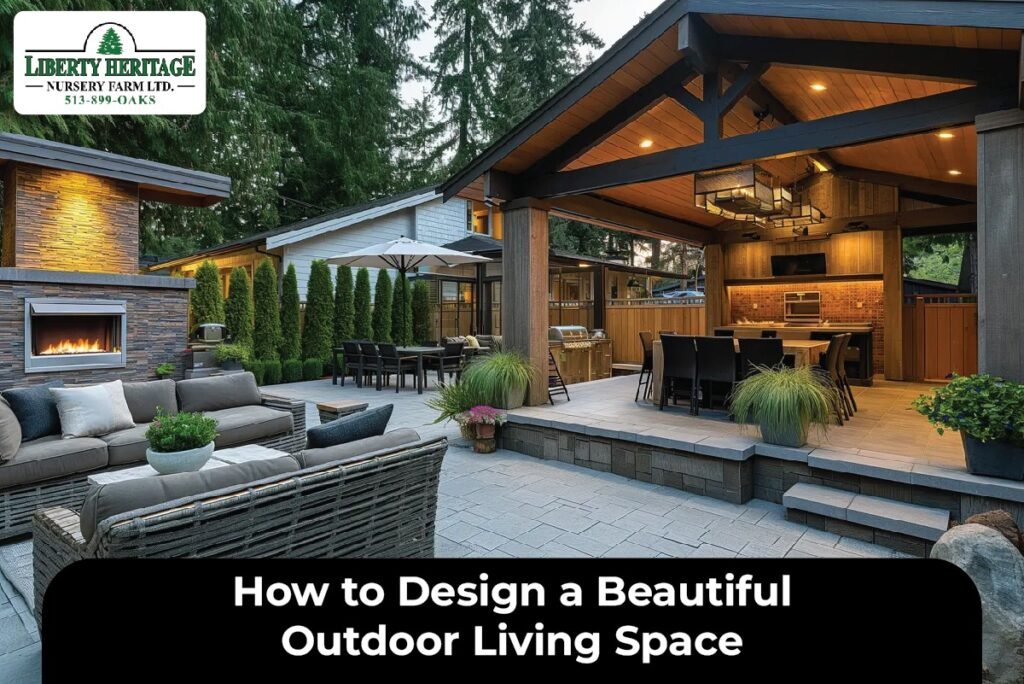
Creating a functional and visually stunning outdoor living space is more than simply placing furniture in your backyard. A well-designed outdoor area enhances your property’s value, extends your living space, and provides a comfortable environment for relaxation, entertainment, and family gatherings. Whether you have a small urban backyard or a sprawling suburban garden, understanding how to design a beautiful outdoor living space will help you make the most of your property.
Professionally designed outdoor spaces combine aesthetic appeal, functionality, and sustainability. They integrate hardscape elements, such as patios and decks, with softscape elements, including plants and trees. Additionally, proper lighting, irrigation, and drainage ensure longevity and usability year-round. This guide will take you step by step through the essential components of designing a beautiful, practical backyard.
1. Define Purpose and Function
Before selecting materials, plants, or furniture, determine how you plan to use your outdoor living space. The purpose of the space dictates its layout, style, and required amenities. Common purposes include:
- Dining areas for family meals and entertaining guests
- Lounge areas with comfortable seating for relaxation
- Outdoor kitchens with grills and prep space
- Fire pits or fireplaces for cozy evenings
- Play areas for children or pets
Understanding your needs ensures the design aligns with your lifestyle. For instance, a backyard designed primarily for entertaining requires more seating, shade options, and lighting than a small, quiet retreat.
2. Plan Layout and Zoning
Successful outdoor living spaces use zoning to separate different activities. Each zone should be cohesive while serving its distinct function.
Tips for Layout Planning:
- Sketch a scaled layout of your backyard
- Use natural pathways for circulation
- Position dining areas near the house for convenience
- Place lounge areas in shaded or screened spots
- Design privacy zones using plants or fencing
Proper zoning ensures that your outdoor space is both functional and visually balanced, preventing clutter and creating a sense of flow.
3. Choose Hardscape Materials
Hardscape elements provide structure, durability, and visual appeal. They include patios, pathways, retaining walls, and decks.
Popular Hardscape Options:
- Pavers: Durable, versatile, and available in various patterns
- Flagstone: Natural, elegant, perfect for patios and walkways
- Gravel/Stone: Ideal for drainage areas or casual seating zones
- Decking (wood/composite): Adds warmth and vertical interest
- Retaining walls: Help level sloped areas and prevent erosion
Pro Tip: Consider long-term maintenance and climate impact when selecting materials. Stone and pavers are low-maintenance, while wood may require seasonal treatment.
4. Integrate Softscape for Natural Beauty
Plants and greenery bring life, color, and texture to outdoor spaces. The right softscape creates visual interest and complements hardscape elements.
Key Softscape Strategies:
- Layer plants from groundcover → shrubs → trees for depth
- Select native and low-maintenance plants suited for your climate
- Incorporate seasonal bloom patterns for year-round appeal
- Use hedges or tall plants to create privacy
Example: Combining ornamental grasses with evergreen shrubs and flowering perennials can provide color, structure, and privacy throughout the seasons.
5. Select Functional and Stylish Furniture
Outdoor furniture is both functional and decorative. It defines your seating and dining areas while contributing to overall style.
Furniture Considerations:
- Weather-resistant materials like teak, aluminum, or synthetic wicker
- Comfortable cushions and seating options
- Dining tables sized for your group
- Modular or flexible layouts for multi-use spaces
- Storage solutions to protect cushions and accessories
Arranging furniture in conversation-friendly clusters enhances usability and creates welcoming areas for family and guests.
6. Implement Outdoor Lighting
Lighting is crucial for safety, usability, and ambiance. Proper lighting allows your outdoor space to be used after dark and highlights its features.
Lighting Types:
- Ambient lighting: String lights, lanterns, or wall sconces
- Task lighting: Focused light for cooking, dining, or reading
- Pathway lighting: Illuminate walkways and steps
- Accent lighting: Highlight plants, trees, water features, or architectural elements
Pro Tip: Use LED or solar-powered lights to save energy while creating a warm, inviting atmosphere.
7. Plan for Water, Shade, and Weather Protection
Comfort is a key component of a usable outdoor living space. Proper shade and weather protection allow year-round enjoyment.
Solutions:
- Pergolas, shade sails, or retractable awnings
- Water features like fountains or ponds for cooling and visual interest
- Rain-resistant furniture or cushions
- Seasonal strategies for wind, snow, or heat
Planning for comfort ensures your outdoor area is functional in all weather conditions.
8. Incorporate Irrigation and Drainage Systems
Efficient irrigation and drainage systems are essential for maintaining land health and preventing water-related damage.
- Install drip irrigation or smart sprinkler systems for consistent watering
- Use French drains or grading solutions to prevent water pooling
- Consider rainwater harvesting for sustainable watering
- Ensure proper drainage around patios and structures
Proper water management enhances landscape longevity and reduces maintenance headaches.
9. Budgeting Your Outdoor Living Space
Budget planning ensures you achieve your dream outdoor space without overspending. Consider breaking your project into tiers:
Starter Budget:
- Gravel patio or simple deck
- Basic seating set
- String or solar lighting
Mid-Range Budget:
- Paver patio or stone pathway
- Outdoor dining set
- Fire pit or fire table
Premium Budget:
- Outdoor kitchen with built-in grill
- Custom seating and entertainment area
- Integrated lighting, irrigation, and water features
Planning your budget helps prioritize essential elements while allowing flexibility for upgrades.
10. Maintenance Tips for Longevity
A beautiful outdoor space requires routine care. Following simple maintenance practices keeps your investment looking great for years.
Maintenance Tips:
- Clean furniture and cushions regularly
- Prune trees and shrubs seasonally
- Fertilize plants according to growth cycles
- Seal patios, decks, and stone surfaces as needed
- Inspect and adjust irrigation and drainage systems
Proper maintenance prevents deterioration, preserves aesthetics, and protects plant health.
Final Thoughts
Designing a beautiful outdoor living space requires careful planning, creativity, and functional execution. By combining hardscape, softscape, lighting, irrigation, and furniture, you can create an outdoor environment that is both aesthetically pleasing and practical.
A well-designed outdoor living area enhances your lifestyle, increases property value, and provides a space for relaxation and entertainment for years to come. Whether you are starting small or investing in a premium backyard upgrade, professional landscaping and design expertise ensure a cohesive, durable, and enjoyable outdoor space.
Invest today, plan strategically, and enjoy a beautiful, functional backyard.
FAQs
Q1: What is the first step to designing a beautiful outdoor living space?
Ans: Start by defining the purpose and function of your outdoor space, then plan the layout and zoning to suit your lifestyle.
Q2: How do I choose the right flooring material for my outdoor space?
Ans: Consider durability, climate, maintenance, and aesthetic appeal. Common options include pavers, flagstone, gravel, and wood decking.
Q3: Can I design an outdoor space on a budget?
Ans: Yes. Start with essential zones, andudget-friendly materials l, suchiasravel and modular furniture, then upgrade over time with premium features.
Q4: How do I ensure my outdoor space is functional year-round?
Ans: Incorporate shade solutions, weather-resistant furniture, proper drainage, and heating or cooling features as needed.
Q5: Do landscaping services include outdoor living space design?
Ans: Many professional landscaping services offer comprehensive design, including hardscape, softscape, lighting, and irrigation planning.