
If you’ve stepped outside lately and noticed how outdoor spaces are becoming extensions of the home, you’re not alone. Across America, homeowners are rethinking their backyards, patios, and walkways. They want spaces that look sharp, feel inviting, and, most importantly, respect the planet. That’s where sustainable hardscaping comes into play.
Hardscaping used to be all about concrete slabs and decorative stone. Today, it’s about smart choices. It’s about managing stormwater, reducing heat, using recycled hardscaping materials, and building outdoor spaces that last. In other words, it’s about blending durability with responsibility. And honestly? You don’t have to sacrifice style to go green.
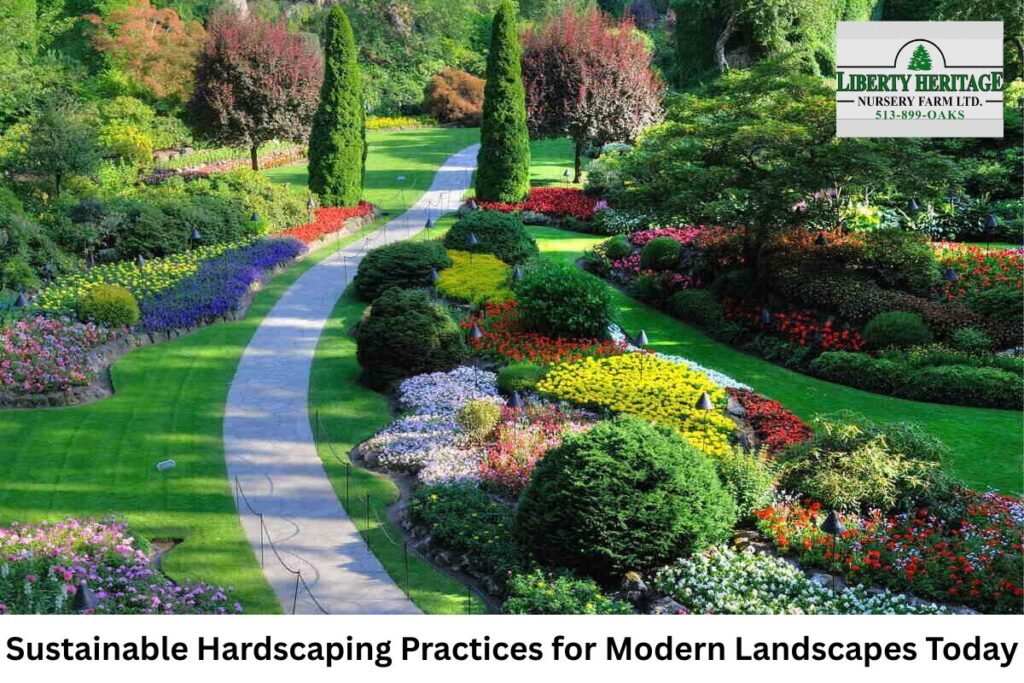
In this guide, we’ll break down practical, eco-friendly hardscaping strategies you can apply right now. Whether you’re planning a full backyard renovation or a simple patio upgrade, these ideas will help you design a modern, environmentally conscious landscape that works hard and looks great.
Why Sustainable Hardscaping Matters More Than Ever
Modern landscapes face real challenges. Urban expansion increases runoff. Rising temperatures create heat islands. Traditional concrete and asphalt often trap heat and push water into storm drains instead of letting it soak into the ground naturally.
That’s why sustainable hardscaping isn’t just a trend; it’s a solution. When you choose a permeable hardscape, for example, you allow rainwater to filter into the soil. This reduces erosion, supports groundwater recharge, and lowers the risk of flooding.
At the same time, eco-conscious materials reduce your project’s carbon footprint. By using recycled hardscaping materials or locally sourced stone, you limit transportation emissions and waste. Small changes, when applied thoughtfully, can have a significant environmental impact.
Start Smart: Planning a Green Hardscape Design
Before you pour a single slab or lay a single paver, take a step back. A well-planned green hardscape design starts with understanding your site. Look at sun exposure, drainage patterns, soil type, and how you actually use the space.
For example, if your yard slopes toward your home, installing a permeable hardscape with proper grading can safely redirect water away from your home. If your space gets intense afternoon sun, lighter-colored pavers can reflect heat and keep surfaces cooler.
Also, think long-term. Durable materials may cost more upfront, but they last longer and reduce replacement waste. When you design with longevity in mind, you protect both your wallet and the environment.
If you’re looking for inspiration, check out this guide on backyard upgrades.
Choose Permeable Hardscape for Better Drainage
One of the most impactful decisions you can make is installing a permeable hardscape system. Unlike traditional concrete, permeable pavers allow water to pass through joints and into a stone base below.
This system offers several benefits:
- Reduces stormwater runoff
- Prevents puddling and pooling
- Supports groundwater recharge
- Minimizes erosion
Moreover, permeable surfaces help reduce the urban heat island effect. Because they allow airflow and moisture exchange, they don’t trap as much heat as solid concrete slabs.
You can use permeable options for driveways, patios, walkways, and even parking areas. When installed correctly, they’re just as strong as traditional surfaces, sometimes stronger. So you don’t give up performance to gain sustainability.
Use Recycled Hardscaping Materials for a Modern Edge
Let’s talk about materials. One of the easiest ways to embrace eco-friendly hardscaping is by choosing recycled hardscaping materials.
Reclaimed brick, salvaged stone, crushed recycled concrete, and repurposed wood all add character. At the same time, they reduce landfill waste and cut down on the need for new resource extraction.
For example, crushed concrete can replace virgin aggregate in base layers. Reclaimed brick can create a vintage-style patio with modern performance. Even recycled composite decking materials offer durability without cutting down new timber.
Not only do these options lower environmental impact, but they also give your yard a unique look. No two reclaimed pieces are the same. That individuality adds charm and authenticity to your landscape.
Reduce Heat with Smart Surface Choices
Heat absorption is a serious issue in modern outdoor design. Dark concrete and asphalt can become scorching under the summer sun. That’s uncomfortable and environmentally problematic.
Instead, choose lighter-colored pavers, natural stone, or reflective surfaces. These materials reflect sunlight rather than absorb it. As a result, your outdoor space stays cooler and more comfortable.
Additionally, integrate shade structures, pergolas, or strategically placed trees alongside your hardscape. While plants are technically softscape, they work hand in hand with green hardscape design. Shade reduces surface temperatures and extends the lifespan of materials.
This balance between hard and soft elements creates a modern, breathable space that feels good year-round.
Design for Longevity and Low Maintenance
Sustainability isn’t just about what you build; it’s about how long it lasts. A durable hardscape reduces waste, repair costs, and material replacement costs.
Choose high-quality pavers, properly compacted bases, and professional installation. When a hardscape fails prematurely, it often ends up in a landfill. Solid construction prevents that.
Furthermore, low-maintenance materials reduce water use and the need for chemical cleaners. For instance, polymeric sand in paver joints helps prevent weed growth without herbicides. Sealed surfaces resist stains and weather damage, reducing the need for harsh cleaning methods.
If you want expert support for your project, explore professional services.
And for broader outdoor solutions, visit us.
Blend Hardscape with Native Landscaping
Although this guide focuses on hardscape, true sustainable hardscaping works best when paired with thoughtful planting.
Native plants require less water, fewer fertilizers, and minimal maintenance. When you combine permeable hardscape areas with drought-tolerant planting beds, you create a system that manages water naturally.
For example, consider adding rain gardens along the edge of patios or walkways. These areas collect runoff and allow it to filter slowly. The result? Less stress on storm drains and healthier soil.
By intentionally blending stone, gravel, and plant life, you create a balanced outdoor environment. That harmony defines modern, eco-friendly hardscaping.
Think Local: Source Materials Responsibly
Another overlooked strategy involves sourcing. Transporting heavy stone across long distances increases emissions. Instead, look for locally quarried stone or regionally manufactured pavers.
Local sourcing supports community businesses while shrinking your carbon footprint. It also ensures that materials match your regional climate. The stone that naturally occurs in your area tends to perform better over time.
When you make thoughtful sourcing decisions, your sustainable hardscaping project becomes stronger from the ground up.
Take Action: Build a Greener Outdoor Space Today
Sustainable outdoor design doesn’t require radical change. It requires intentional choices. Start small if needed. Replace one patio with a permeable hardscape. Use recycled hardscaping materials for a garden path. Choose lighter pavers to reduce heat.
Every decision builds momentum.
Over time, these improvements create a modern yard that looks stunning and harmonizes with nature. You’ll reduce runoff, lower maintenance, and enjoy a cooler, more comfortable space. Most importantly, you’ll invest in a landscape that lasts.
So go ahead, design smarter. Build responsibly. And create an outdoor space that reflects both your style and your values.
Final Thoughts
Sustainable hardscaping blends beauty, durability, and environmental responsibility into one cohesive design strategy. By choosing permeable hardscaping systems, recycled hardscaping materials, and smart planning techniques, you protect your property and the planet simultaneously.
Modern landscapes demand more than aesthetics. They demand performance. When you integrate eco-friendly hardscaping into your design, you create a space that manages water, reduces heat, and minimizes waste.
The future of outdoor living is green, durable, and intentional. And the best time to start building that future is right now.
FAQs
Sustainable hardscaping refers to designing and installing patios, walkways, driveways, and other non-living features using environmentally responsible methods and materials. It often includes permeable hardscape systems, recycled materials, and local sourcing.
Yes. When properly installed on a strong base, permeable pavers can handle vehicle loads just as effectively as traditional concrete.
Not at all. Reclaimed brick and stone often add character and charm. Many modern designs intentionally use recycled hardscaping materials for texture and uniqueness.
Upfront costs may be slightly higher. However, long-term savings often balance the investment due to lower maintenance, improved drainage, and a longer lifespan.
Maintenance is simple. Periodic sweeping and occasional vacuuming prevent clogging. Proper installation ensures long-term performance.