
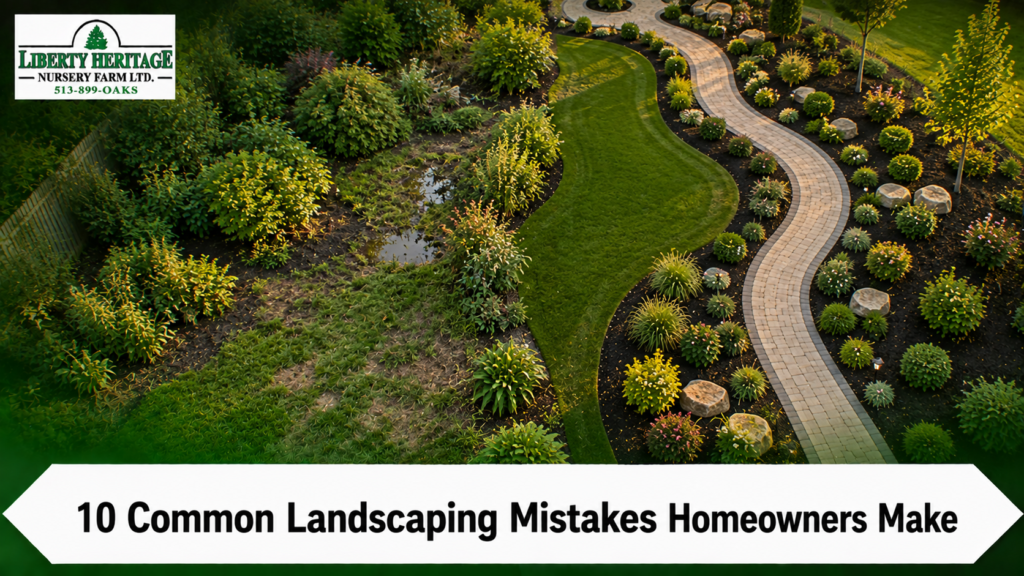
A beautiful landscape can increase curb appeal, improve property value, and create a more enjoyable outdoor environment. However, many homeowners unknowingly make landscaping mistakes that lead to unhealthy plants, drainage issues, higher maintenance costs, and disappointing results.
Whether you’re planting a new garden, upgrading your lawn, or planning a complete outdoor renovation, avoiding common landscaping errors can save time, money, and frustration. While some mistakes may seem minor at first, they often become expensive problems later.
The good news is that most landscaping mistakes are completely preventable with proper planning and professional guidance. Understanding what to avoid can help you create a healthier, more attractive, and more functional outdoor space.
In this guide, we’ll explore the most common landscaping mistakes homeowners make and explain how to avoid them.
Quick Answer: What Are the Most Common Landscaping Mistakes?
The most common landscaping mistakes include poor planning, choosing the wrong plants, ignoring drainage issues, overwatering, overcrowding plant beds, neglecting maintenance, and failing to consider long-term growth. Avoiding these mistakes helps protect your investment and creates a healthier landscape.
Why Landscaping Mistakes Can Be Expensive
Landscaping is an investment. Unfortunately, poor decisions can quickly increase costs.
Common consequences include:
- Dead plants
- Drainage problems
- Soil erosion
- Increased maintenance
- Pest issues
- Reduced curb appeal
- Lower property value
Addressing problems early is usually much less expensive than correcting major mistakes later.
Mistake #1: Skipping the Planning Stage
Many homeowners start planting without a clear plan.
This often leads to:
- Poor layout
- Inconsistent design
- Overcrowding
- Wasted money
How to Avoid It
Before planting anything:
- Create a landscape plan
- Measure available space
- Identify sunlight patterns
- Consider future growth
Professional landscape design can help maximize both beauty and functionality.
Mistake #2: Choosing the Wrong Plants
Not every plant thrives in every location.
Many homeowners select plants based solely on appearance.
Problems may include:
- Poor growth
- Increased watering needs
- Disease issues
- Frequent replacements
How to Avoid It
Choose plants based on:
- Local climate
- Soil conditions
- Sunlight availability
- Maintenance requirements
Native plants are often excellent choices because they adapt well to local environments.
Mistake #3: Ignoring Drainage Problems
Drainage is one of the most overlooked aspects of landscaping.
Poor drainage can cause the following:
- Standing water
- Dead grass
- Foundation concerns
- Soil erosion
How to Avoid It
Look for warning signs such as:
- Water pooling after rain
- Soggy lawn areas
- Erosion around beds
Professional drainage solutions can protect both your landscape and your home.
Mistake #4: Overwatering Your Landscape
More water does not always mean healthier plants.
Overwatering often leads to:
- Root rot
- Fungal diseases
- Weak plant growth
How to Avoid It
Water deeply but less frequently.
Consider:
- Drip irrigation systems
- Smart irrigation controllers
- Seasonal watering adjustments
Proper watering encourages stronger root systems.
Mistake #5: Planting Too Close Together
Young plants often appear small, causing homeowners to plant too many in one area.
As plants mature, overcrowding creates the following:
- Competition for nutrients
- Poor air circulation
- Increased disease risk
How to Avoid It
Always plan for mature plant size rather than current size.
Spacing recommendations should be followed carefully.
Mistake #6: Neglecting Soil Health
Healthy soil is the foundation of a successful landscape.
Poor soil can cause:
- Weak growth
- Nutrient deficiencies
- Drainage problems
How to Avoid It
Improve soil quality through:
- Compost
- Organic matter
- Soil testing
- Proper fertilization
Healthy soil supports healthier plants.
Mistake #7: Focusing Only on Appearance
A landscape should be attractive, but it must also be functional.
Many homeowners forget about:
- Accessibility
- Maintenance
- Drainage
- Outdoor usability
How to Avoid It
Balance beauty with practicality.
Include features such as:
- Walkways
- Seating areas
- Functional drainage systems
- Outdoor lighting
Mistake #8: Ignoring Maintenance Requirements
Some landscapes look beautiful initially but become difficult to maintain.
Common issues include:
- Excessive pruning
- Frequent watering
- High upkeep costs
How to Avoid It
Choose low-maintenance options whenever possible.
Examples include:
- Native plants
- Mulched beds
- Drought-tolerant landscaping
A manageable landscape remains attractive year after year.
Mistake #9: Installing Features Without Professional Guidance
DIY landscaping can be rewarding, but complex projects often require expertise.
Examples include:
- Retaining walls
- Drainage systems
- Patios
- Large-scale grading
How to Avoid It
Consult professionals for major projects.
Proper installation prevents expensive repairs later.
Mistake #10: Forgetting About Long-Term Growth
Landscapes change over time.
A design that looks perfect today may become problematic in a few years.
Potential issues include the following:
- Overgrown trees
- Blocked views
- Root damage
- Crowded gardens
How to Avoid It
Plan for future growth from the beginning.
Consider:
- Mature tree size
- Root spread
- Seasonal changes
Long-term planning creates lasting success.
Comparison Table: Common Landscaping Mistakes and Solutions
| Mistake | Potential Problem | Solution |
| Poor Planning | Wasted money | Create a landscape plan |
| Wrong Plants | Plant failure | Use climate-appropriate plants |
| Drainage Issues | Water damage | Install drainage solutions |
| Overwatering | Root rot | Water correctly |
| Overcrowding | Poor growth | Allow proper spacing |
| Poor Soil | Weak plants | Improve soil health |
| Neglecting Maintenance | Landscape decline | Schedule regular upkeep |
| DIY Errors | Costly repairs | Hire professionals when needed |
How These Mistakes Affect Property Value
Poor landscaping can negatively impact:
- Curb appeal
- Buyer perception
- Outdoor functionality
- Overall property value
In contrast, a professionally maintained landscape often creates a positive first impression and increases market appeal.
Is Professional Landscaping Worth It?
For many homeowners, professional landscaping helps prevent costly mistakes and improves long-term results.
Benefits include:
- Expert planning
- Better plant selection
- Proper drainage design
- Higher-quality installation
- Reduced maintenance issues
Professional guidance often saves money over time.
Final Thoughts
Landscaping mistakes are common but avoidable. By planning carefully, choosing the right plants, addressing drainage concerns, and considering long-term maintenance, homeowners can create outdoor spaces that remain beautiful and functional for years.
Whether you’re updating a garden, installing new landscaping features, or planning a complete property transformation, avoiding these common mistakes can help protect your investment and maximize the value of your outdoor space.
A thoughtful approach today can prevent expensive problems tomorrow.
Frequently Asked Questions
What is the most common landscaping mistake?
Poor planning is one of the most common landscaping mistakes homeowners make.
Why is drainage important in landscaping?
Proper drainage prevents erosion, standing water, and damage to plants and structures.
How often should landscaping be maintained?
Most landscapes benefit from regular seasonal maintenance throughout the year.
Can poor landscaping reduce property value?
Yes. Neglected landscapes can negatively affect curb appeal and buyer interest.
What plants require the least maintenance?
Native and drought-tolerant plants are often among the easiest to maintain.