
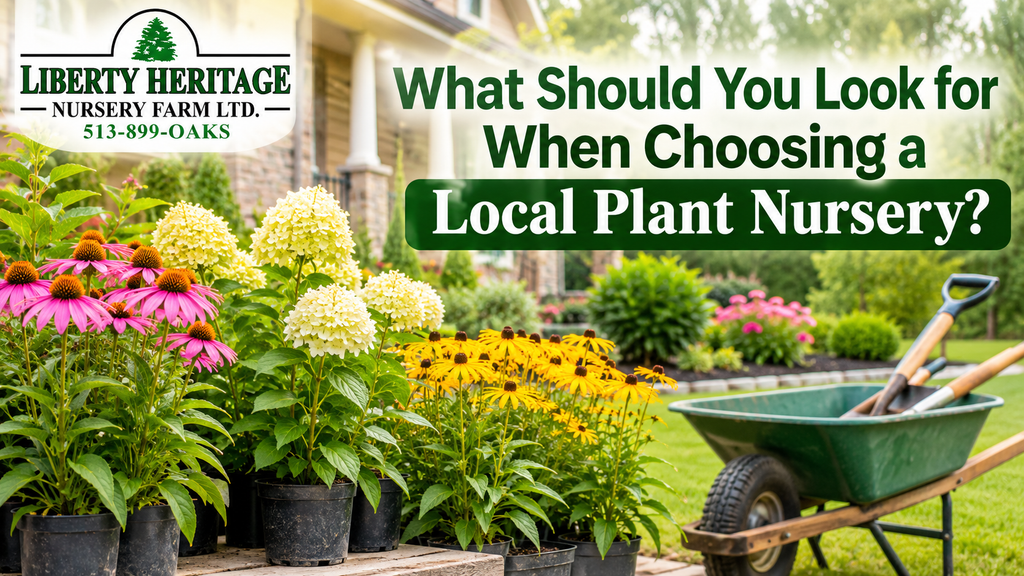
Choosing the right plants is an important part of creating a healthy and beautiful garden. But where you buy those plants matters just as much. A good nursery can help you find plants that suit your space, growing conditions, and budget. It can also give you useful advice on planting and care.
With so many places selling flowers, trees, shrubs, and indoor plants, choosing the right one can feel difficult. Some nurseries offer a wide selection, while others focus on certain plant types or landscaping needs. Knowing what to check before you buy can help you make a better choice.
If you are searching for a local plant nursery, here are the main things to consider before making your decision.
Start by Checking the Health of the Plants
Plant health should be one of your first concerns. A nursery may have a large selection, but that does not mean every plant is in good condition. Take time to look closely at the plants before buying them.
Healthy plants often have:
- Fresh, green leaves with no unusual spots
- Strong stems and branches
- New growth where expected
- Firm leaves that are not badly wilted
- No visible insects or signs of disease
- Soil that is not constantly soaked or extremely dry
Also check the underside of leaves, where small pests may hide. Look at the stems for cracks, damage, or unusual marks.
For potted plants, check the roots if possible. Healthy roots are usually firm and light in color. Roots that are dark, mushy, or tightly circling the pot may point to problems.
A nursery that keeps its plants in good condition shows that proper care is part of its daily work.
Look for a Good Range of Plant Choices
Every garden has different needs. You may want colorful flowers for your front yard, shade trees for your backyard, or small plants for indoor spaces. A good nursery should offer enough choices to help you find suitable options.
Look for a selection that includes plants such as:
- Flowering plants for garden beds and pots
- Trees and shrubs for outdoor spaces
- Indoor plants for homes and offices
- Ground covers for open areas
- Seasonal plants for different times of the year
- Native or locally suitable plant varieties
You do not need a nursery with thousands of plant types. What matters is whether it carries the plants you need and can help you choose the right ones.
If you are planning a larger garden project, ask whether the nursery can supply enough plants for the whole area. This can make buying and planning much easier.
Check Whether Plants Suit Your Local Growing Conditions
Not every plant grows well in every area. Sunlight, temperature, rainfall, soil, and water needs can affect how well a plant grows.
Ask the nursery staff which varieties are suitable for your local conditions. Plants that are already grown in a similar climate may be easier to establish than varieties that need very different growing conditions.
This is especially important when buying trees, shrubs, or plants that will stay in your garden for many years.
Choose a Nursery With Helpful and Knowledgeable Staff
Good advice can save you time, money, and effort. This is especially useful if you are new to gardening or are planning a garden without professional help.
A knowledgeable nursery team should be able to answer basic questions about plant care and growing needs.
For example, ask:
- Does this plant need full sun or shade?
- How often should I water it?
- What type of soil works best?
- How large will it grow?
- Is it suitable for a pot or garden bed?
- Does it need regular trimming?
Pay attention to how the staff answer. They should explain things clearly and help you understand your choices instead of simply encouraging you to buy.
The right advice can help you avoid plants that do not suit your space or the amount of care you can provide.
Compare Plant Prices and Overall Value
Price is another important factor when choosing a nursery. It is a good idea to compare prices at a few nearby places before making a large purchase.
However, the cheapest plant is not always the best deal. A low-priced plant may have weak growth, poor roots, or signs of pests. Spending a little more on a healthy plant may save you from replacing it later.
When comparing prices, consider:
- Plant size and overall condition
- Pot size and root development
- Type and age of the plant
- Whether the price includes a pot or other items
- Delivery or handling charges
- Any care support or replacement policy
Ask for a clear price before buying. If you are purchasing several plants, check whether the nursery offers bulk pricing or discounts.
The goal is to find fair prices without giving up plant quality.
Pay Attention to Cleanliness and Plant Care
The way a nursery is maintained can tell you a lot about how it handles its plants. Walk around and look at the growing areas, shelves, pots, and watering systems.
A well-maintained nursery should have:
- Plants arranged in an easy-to-browse way
- Clear labels showing plant names
- Clean pots and growing areas
- Suitable watering for different plant types
- Healthy-looking leaves and stems
- Enough space for plants to grow
Look for signs of poor care, such as many dead plants, standing water, heavy weed growth, or plants left in very dry conditions.
A clean and organized nursery makes shopping easier and helps you inspect plants before buying them.
Check Customer Reviews and Local Reputation
Before choosing a nursery, find out what other customers say about their experience. Online reviews can help you learn about plant quality, prices, staff behavior, and customer service.
You can also ask friends, neighbors, or local gardeners where they usually buy their plants.
When reading reviews, look for repeated comments rather than focusing on one positive or negative experience. For example, several customers mentioning healthy plants and helpful advice may be a good sign. Repeated complaints about poor plant condition or unhelpful service deserve attention.
A nursery with a good local reputation may be a useful starting point, but you should still inspect the plants yourself.
Ask About Delivery, Returns, and After-Sale Support
Buying a few small plants is usually easy, but larger trees and heavy pots can be difficult to transport. If you are planning a bigger purchase, ask whether the nursery offers delivery.
Also find out what happens if a plant arrives damaged or does not match your order.
Before buying, ask about:
- Delivery areas and charges
- Plant replacement or return rules
- Advice after purchase
- Availability of the same plant in larger quantities
- Help with loading and transporting large plants
Not every nursery offers the same services. Knowing what is available before you pay can help prevent confusion later.
Make Sure the Nursery Offers the Products You Need
Plants are only one part of garden care. You may also need soil, compost, fertilizer, pots, mulch, or basic gardening tools.
A nursery that carries these supplies can make shopping more convenient. You may also be able to ask staff which products work well with the plants you are buying.
If you are planning a complete garden project, check whether the nursery offers extra services such as plant selection, landscaping advice, planting, or delivery.
Choose a business based on the services you actually need. A small nursery may be perfect for houseplants and flowers, while a larger garden center may be more useful for trees, shrubs, and outdoor projects.
Final Thoughts on Choosing the Right Plant Nursery
Finding the right local plant nursery takes more than choosing the closest store or the place with the lowest prices. You should look for healthy plants, a useful selection, helpful staff, fair pricing, and good customer service.
Take time to visit a few nurseries and compare what they offer. Ask questions, inspect the plants, and check whether the staff can guide you toward varieties that suit your garden.
A little research before buying can help you choose better plants and give your garden a stronger start.
Frequently Asked Questions
1. What is the most important thing to check when choosing a plant nursery?
Start with plant health. Look for strong stems, healthy leaves, good root growth, and no clear signs of pests or disease. Helpful staff and suitable plant choices are also important.
2. Is it better to buy plants from a local nursery?
A local nursery can offer the chance to inspect plants in person and speak with staff about growing conditions. It may also carry varieties that are suitable for the local climate.
3. How can I tell if a plant is healthy before buying it?
Check the leaves, stems, and soil. Avoid plants with widespread yellowing, damaged stems, visible pests, or soft and dark roots. Look for balanced growth and firm leaves.
4. Should I compare prices at different plant nurseries?
Yes. Comparing prices can help you understand the usual cost of a plant. However, consider its size, condition, and quality instead of choosing based on price alone.
5. What questions should I ask nursery staff before buying a plant?
Ask about sunlight, watering, soil type, mature size, and general care. You can also ask whether the plant is suitable for your garden or indoor space.